
Blog
What Lebanon's 1960s and 70s Housing Stock Means for Your Garage Door
Lebanon TN homes built between 1959 and 1994 often have garage doors with no insulation standard. Here's what cold winters do to them, and when to call a pro.
The Problem
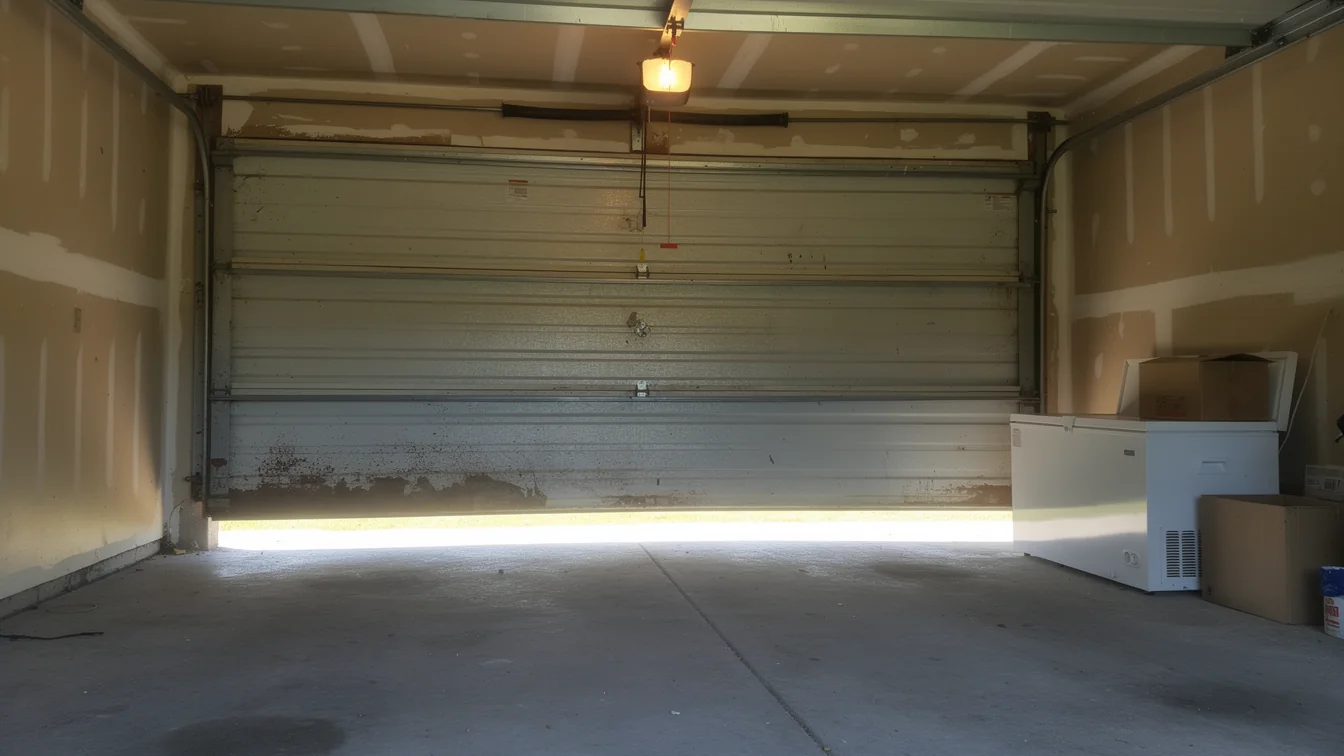
Most of the houses in Lebanon's service area went up between 1959 and 1994, with the median build year sitting at 1977. Six named areas around town carry that same signature: 1960s and 70s construction, single-layer steel panels bolted straight onto wood jambs with no insulation requirement behind them. That was normal then. Builders weren't required to put a thermal break in a garage door, and most didn't. Forty-plus years later, those same doors are still swinging on original tracks and springs, because nobody told the homeowner they needed anything else. The steel has thinned from decades of expansion and contraction, the torsion springs are past the number of cycles they were rated for, and the weatherstripping along the bottom is usually just gone. None of that shows up as an emergency until the day it does - a spring lets go on a Tuesday morning, a track pulls loose from a jamb that's shifted an inch since 1977.
What Local Conditions Do
Lebanon sits in a cold-moderate climate band, which means real freeze-thaw cycling every winter, not constant deep freeze but enough swings to work on metal and rubber the same way every year. A steel door with no insulation layer moves with the temperature - it contracts in a hard overnight freeze and expands again by afternoon. Do that for forty winters on a door built in 1972 and the seams around the hinges start to open up, screws back out of softened wood jambs, and the bottom seal cracks instead of flexing. Torsion springs wound tight in cold air put more sudden load on the cable drum when a door built that long ago gets working again after sitting cold overnight. None of this is dramatic on its own. It's cumulative - the kind of wear that looks fine until a cold morning when the extra load is the thing that finally snaps a spring that was already near its limit.
Leaving It Alone
The service area here is just under 4,700 households, and roughly 3,500 of those are owner-occupied houses - the kind where a bad spring or a dead opener is the homeowner's problem to solve, not a landlord's. At a median household income of $87,853, most people here can afford to fix a door properly instead of patching it, but a lot don't, because a sagging door still opens. Leaving a worn torsion spring alone doesn't make it fail gently - it means the second spring on a two-spring setup is now carrying a load it wasn't built to carry, and when it goes too, the door comes down. Leaving a bent track alone means the rollers eventually jump it entirely. None of this is a lecture - it's just what original 1960s and 70s hardware does under continued use when it's past its design life.
When It Stops Being a DIY Job
If a panel is original to a house built in the 1960s or 70s, you're not going to find a drop-in replacement at a parts counter - we don't stock blanks for every discontinued profile, and some of them take a special order just to match the gauge. That's the honest limit on repair here: there's a point where a door is better replaced whole than patched panel by panel. A broken torsion spring on a double door, a cable frayed down to a few strands, an opener motor that's seized - those are calls, not projects, because the spring is under enough load to do real damage if it lets go while someone's hands are on it. If your house falls anywhere in that 1959-1994 build range and the door's never been touched, that's worth a look before it fails on its own schedule instead of yours.
Questions
Common questions
Why does my garage door act up more in winter here?
Lebanon's cold-moderate climate means real freeze-thaw swings every winter. An uninsulated steel door contracts overnight and expands by afternoon, and torsion springs wound tight in cold air put extra sudden load on the cable drum the first time the door moves. On a door that's forty-plus years old, that cumulative metal fatigue is usually what finally lets go.
My house was built in the 70s - is the door original?
It's possible. Most houses in this service area were built between 1959 and 1994, median year 1977, and six areas around town are mostly 1960s and 70s stock. A lot of those houses still have the original single-layer steel door with no insulation, original torsion springs, and tracks that have never been swapped.
Do you work outside Lebanon proper?
Yes, within reach of town - areas like Rural Hill (11 miles), Green Hill (13 miles), Watertown (13 miles), Walterhill (17 miles), Alexandria (19 miles), and Bethpage (20 miles) fall within the service area.
Is it worth repairing an old door instead of replacing it?
Sometimes, not always. A worn spring, cable, or opener motor is usually a straightforward repair call. But original panels from a house built in the 1960s or 70s often don't have a matching replacement on the shelf, and chasing discontinued parts can cost more than a new door would.
Recommendation
You Might Also Like
More garage door guides for Lebanon homeowners.
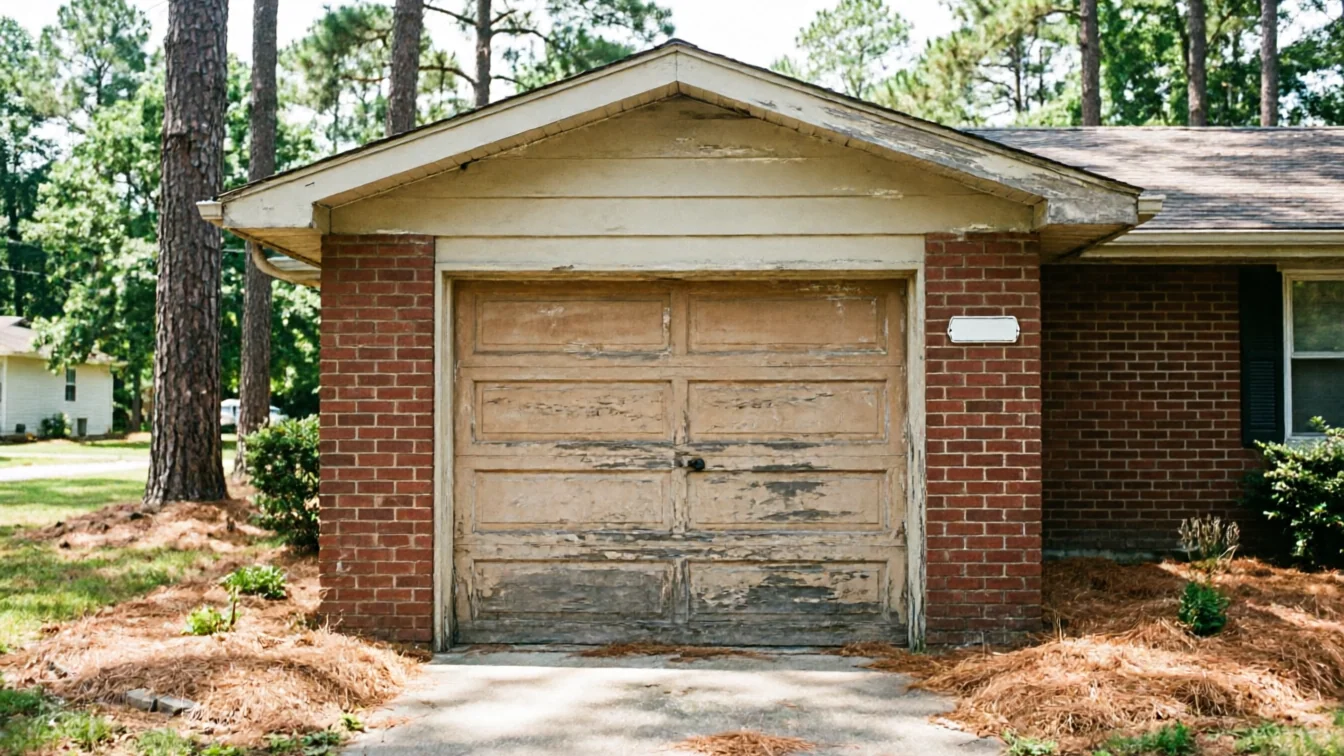
What Lebanon's Housing Stock Means for Your Garage Door
Most Lebanon garage doors date to the 1960s-90s building boom.
Read guide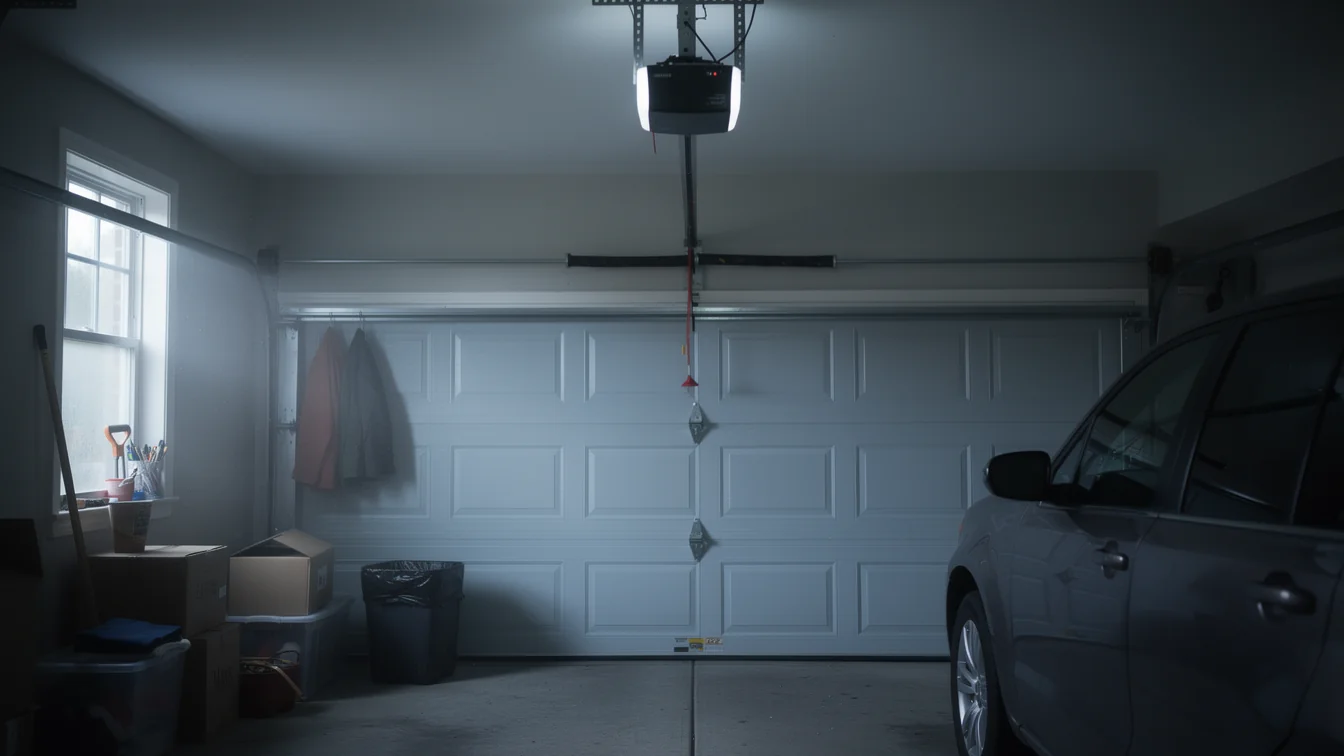
What Lebanon's Older Openers Do When the Power Goes Out
Lebanon, TN homes built between 1959 and 1994 pair older openers with cold-season power cuts.
Read guide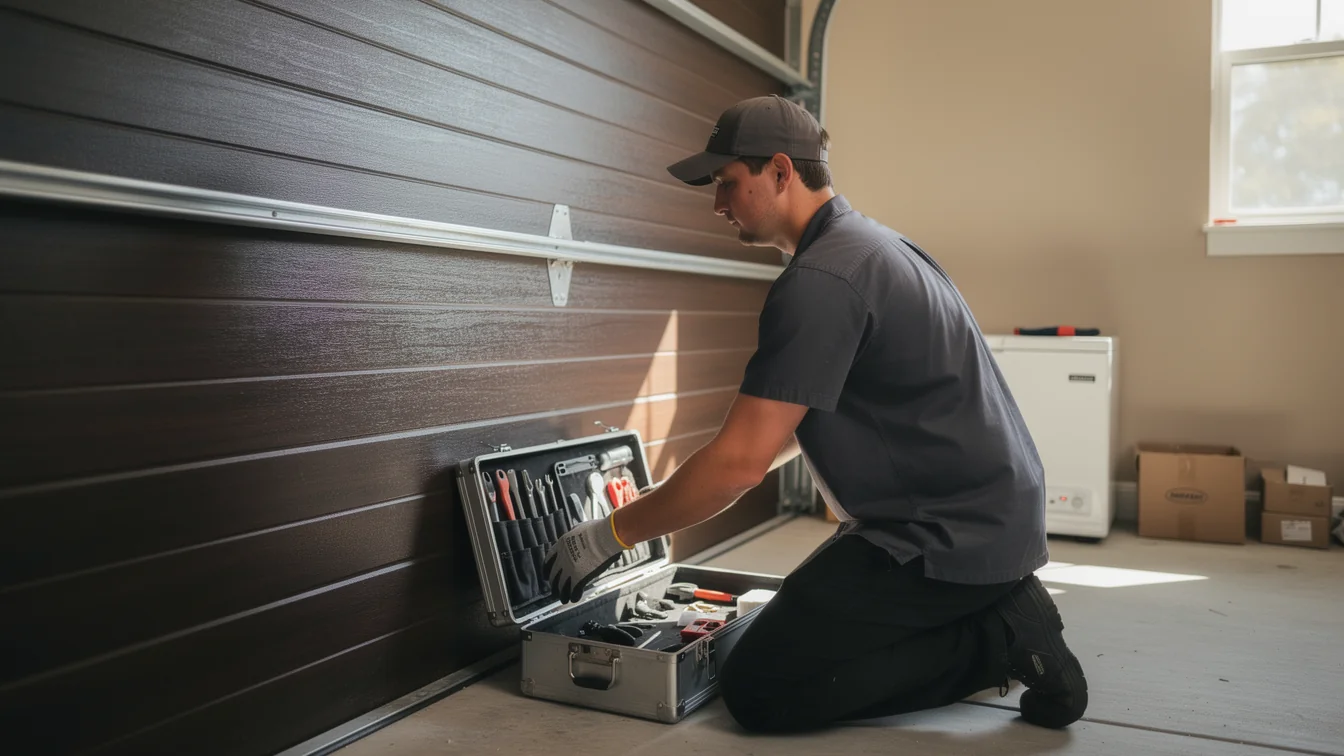
What a Service Call Actually Covers in Lebanon
A breakdown of what a real service call includes for Lebanon homes built 1959-1994, where original hardware and cold-season swings drive most repair calls.
Read guideReady when you are
Need a garage door sorted in Lebanon?
Lebanon Garage Door Pros repairs and installs garage doors, springs and openers in Lebanon, TN and the surrounding area.