
Blog
What Lebanon's Housing Stock Means for Your Garage Door
Most Lebanon garage doors date to the 1960s-90s building boom. Here's how to tell if yours still has life in it, or if local winters have ended its run.
The Problem
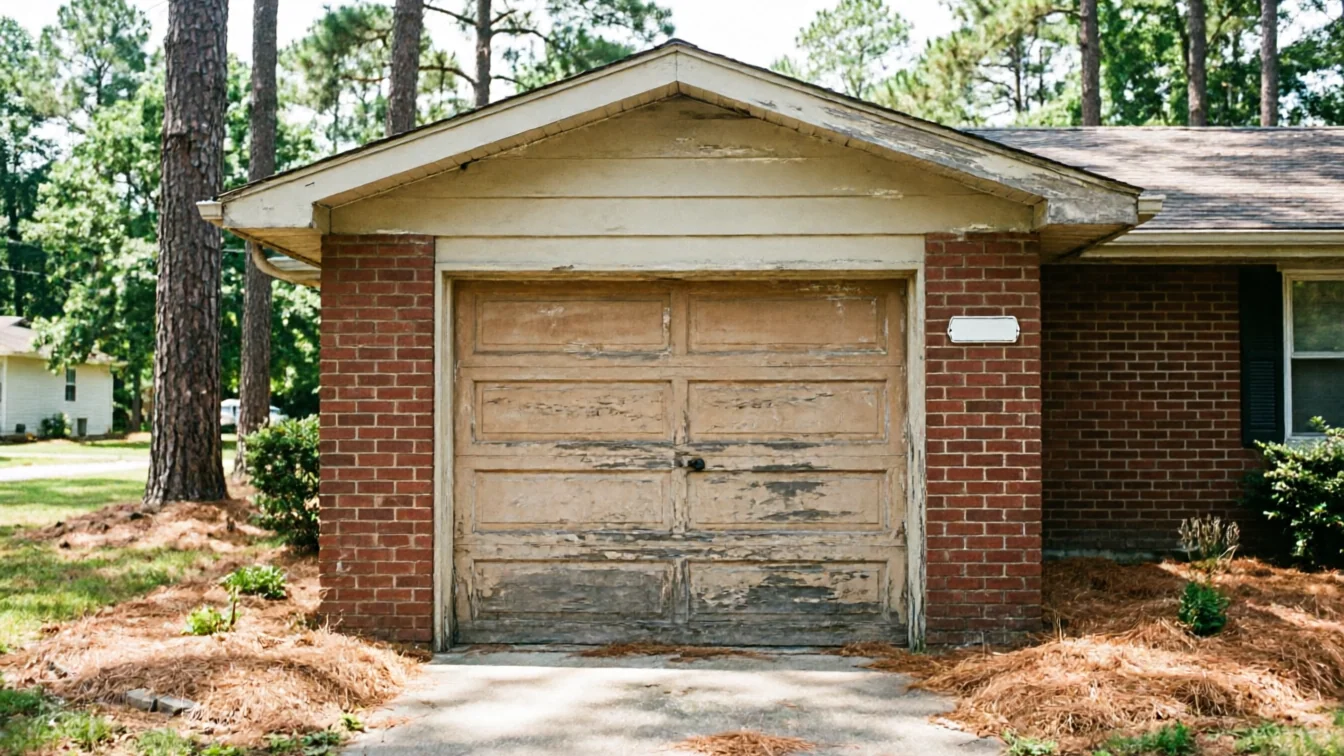
Most of the houses we work on in Lebanon went up between 1959 and 1994, with the median build year landing around 1977. Across the six areas we service, the bulk of that stock is from the 1960s and 70s specifically. That means a big share of the garage doors in this service area are the original door, or a direct replacement installed decades ago on hardware that was never upgraded. A door from that era is usually a single steel skin with no foam core, running on extension springs or an early torsion setup rated for a cycle count that's long since used up. None of that is unusual - it's just the math of a town where most of the housing predates the 1990s. The problem isn't that these doors were built wrong. It's that thirty, forty, even fifty years of opening and closing puts real wear on hinges, rollers, and the spring itself, and a lot of owners don't know what's original equipment versus what's already been swapped once. Before you decide to fix or replace, it helps to know which decade your door actually belongs to.
What Local Conditions Do
Lebanon sits in a cold-moderate climate band, which means the garage sees real temperature swings across the year rather than one steady range. Steel contracts in cold mornings and expands again by afternoon, and that cycle works on the weld points of an older panel and the galvanizing on a spring coil. Over enough winters, the coating on a torsion spring wears thin and the spring starts to lose consistent tension - you'll feel it as a door that's heavier to lift by hand at one end than the other. Humidity swings do similar work on exposed hardware: rollers that were fine for twenty years start showing surface rust where the coating wore through first. None of this is dramatic. It's slow, and it's why a door built in the 1960s or 70s can still open and close fine for years after it technically should have failed - cold-moderate conditions wear parts down gradually, not all at once. The houses most affected are the ones in the oldest build range, 1959 to the mid-1970s, where the original spring and track have had the most winters to work on them.
Leaving It Alone
A door that's heavy on one side or slow to close isn't a cosmetic problem - it's a spring or cable telling you it's near the end. Leave it alone and the usual failure mode is sudden: a torsion spring lets go under tension, or a frayed cable snaps while the door is mid-travel. On the older stock common across this area, the opener motor is often a smaller unit never sized for the door's current weight, so when a spring loses tension, the motor starts straining to compensate - which burns out the opener before anyone diagnoses the actual problem. We've also seen owners patch a rusted bottom panel one more season rather than replace it, and end up paying for both the panel and the track alignment it knocked out of true. None of these problems get cheaper by waiting. A spring replacement on a door that's still structurally sound is a contained job. The same spring failure on a door whose panels are already rusted through at the bottom turns into a full-door conversation, and that's a harder number to come back from.
When It Stops Being a DIY Job
If your door was installed anywhere near the median build year for this area - 1977 - and nobody's touched the spring since, that's not a tension adjustment you do yourself. Torsion springs store enough force to break a bone or worse, and the winding bars for a 1970s-era shaft aren't the same size as what's sold at most hardware counters now. We'll say plainly what we don't do: we don't recommend patching a bottom panel that's rusted through structurally, and we don't recommend putting a new opener on track and rollers that are already out of alignment - fix the mechanical problem first or the new motor just fails faster. A door is usually still worth fixing if the frame and panels are sound and the problem is spring, cable, roller, or opener. It's not worth fixing once the steel itself has gone soft at the bottom corners or the track has been bent and re-bent enough times that it won't hold a true line. That's the point where replacement costs less over five years than another round of repairs.
Questions
Common questions
How do I know how old my garage door is?
Check your house's build year on your county tax record first. If your house went up anywhere near 1977, the median for this area, and the door looks like the original, assume original spring and track hardware unless a prior owner documented a replacement. That age alone doesn't mean it needs replacing, but it tells us what parts to expect when we look at it.
Does Lebanon's winter weather really wear out garage door springs?
Yes, gradually. Lebanon sits in a cold-moderate band, so the garage sees real swings between cold mornings and warmer afternoons through the year. That expansion and contraction cycle works on spring coating and weld points over many winters, which is why a spring from the 1970s or 80s loses tension slowly rather than failing all at once.
Is it ever worth replacing just the opener and not the door?
Sometimes, but only if the door itself - panels, track, rollers - is still sound. Putting a new opener on a door with worn track or a tired spring just transfers the strain to the new motor, and it fails faster than it should. We'd rather fix the mechanical side first and let the opener do the job it's actually built for.
Recommendation
You Might Also Like
More garage door guides for Lebanon homeowners.
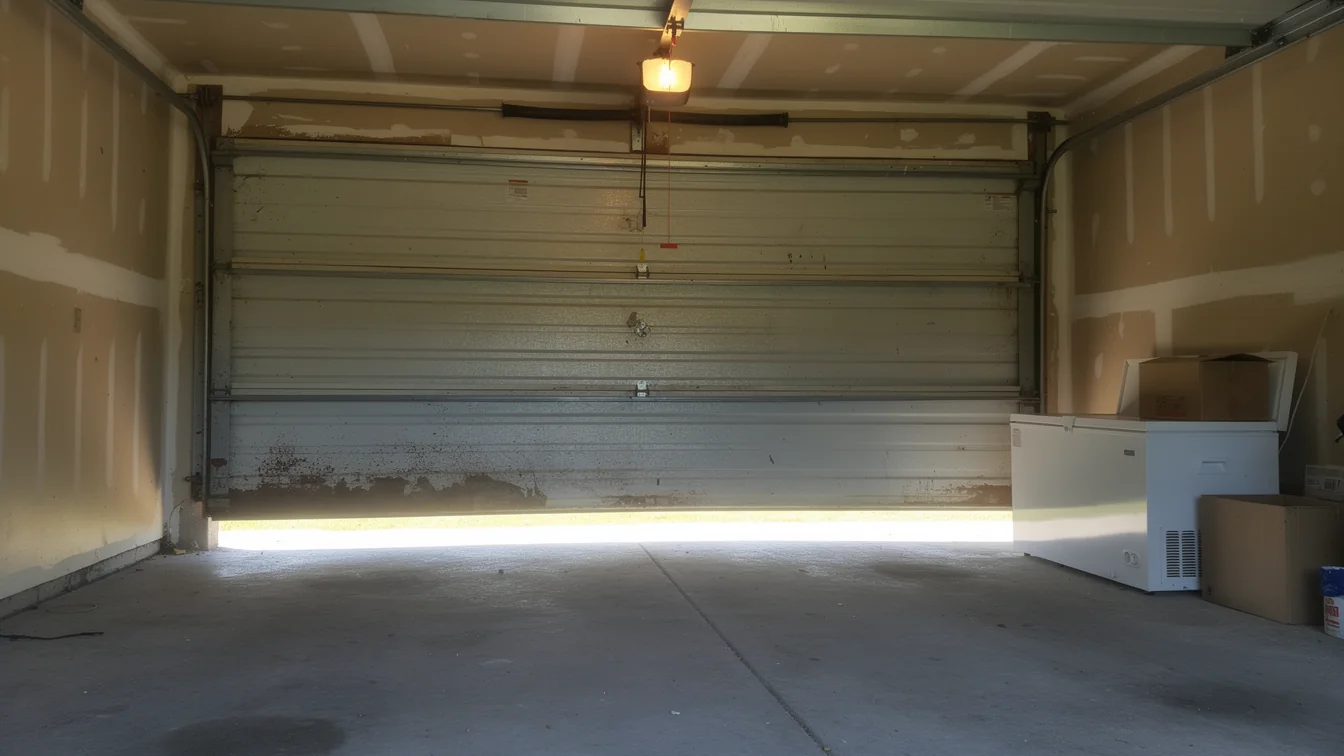
What Lebanon's 1960s and 70s Housing Stock Means for Your Garage Door
Lebanon TN homes built between 1959 and 1994 often have garage doors with no insulation standard.
Read guide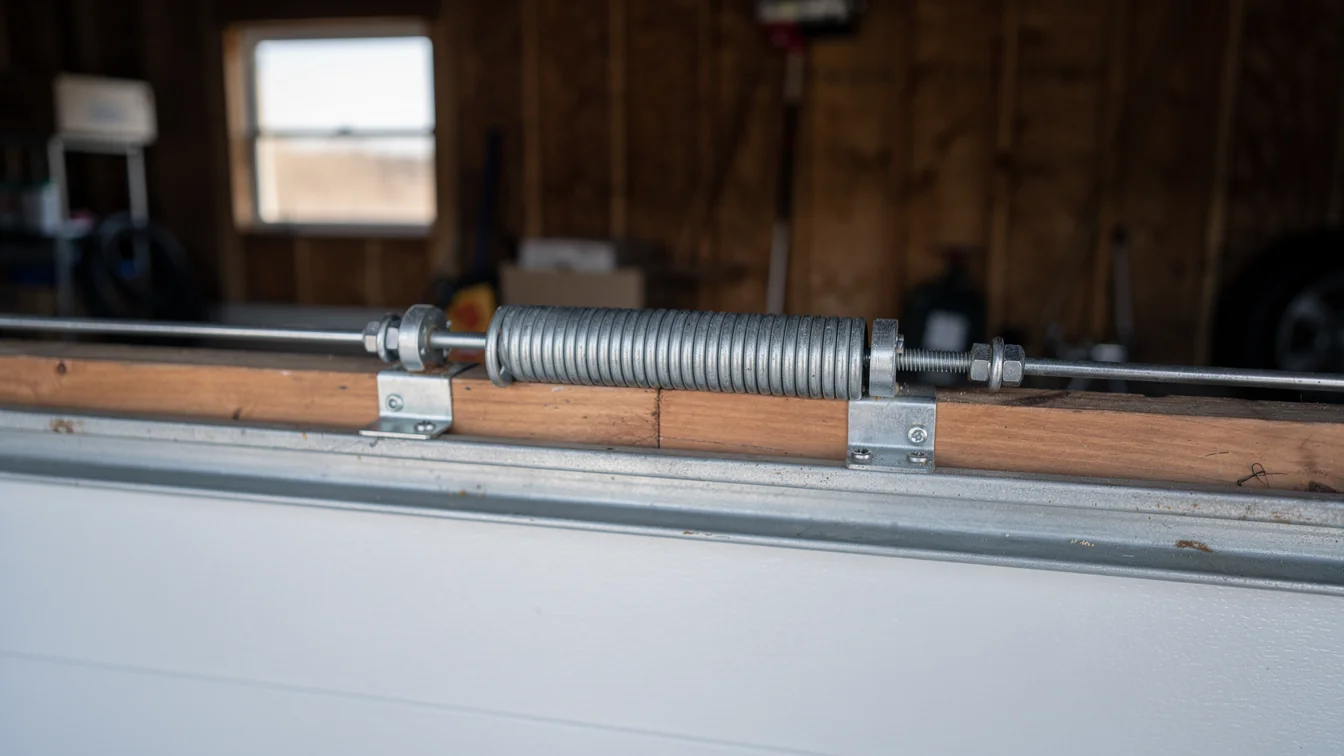
Lebanon's Housing Age and Cold Snaps Are Hard on Garage Door Springs
Most Lebanon, TN homes date from 1959 to 1994, and cold snaps hit older torsion springs hard.
Read guide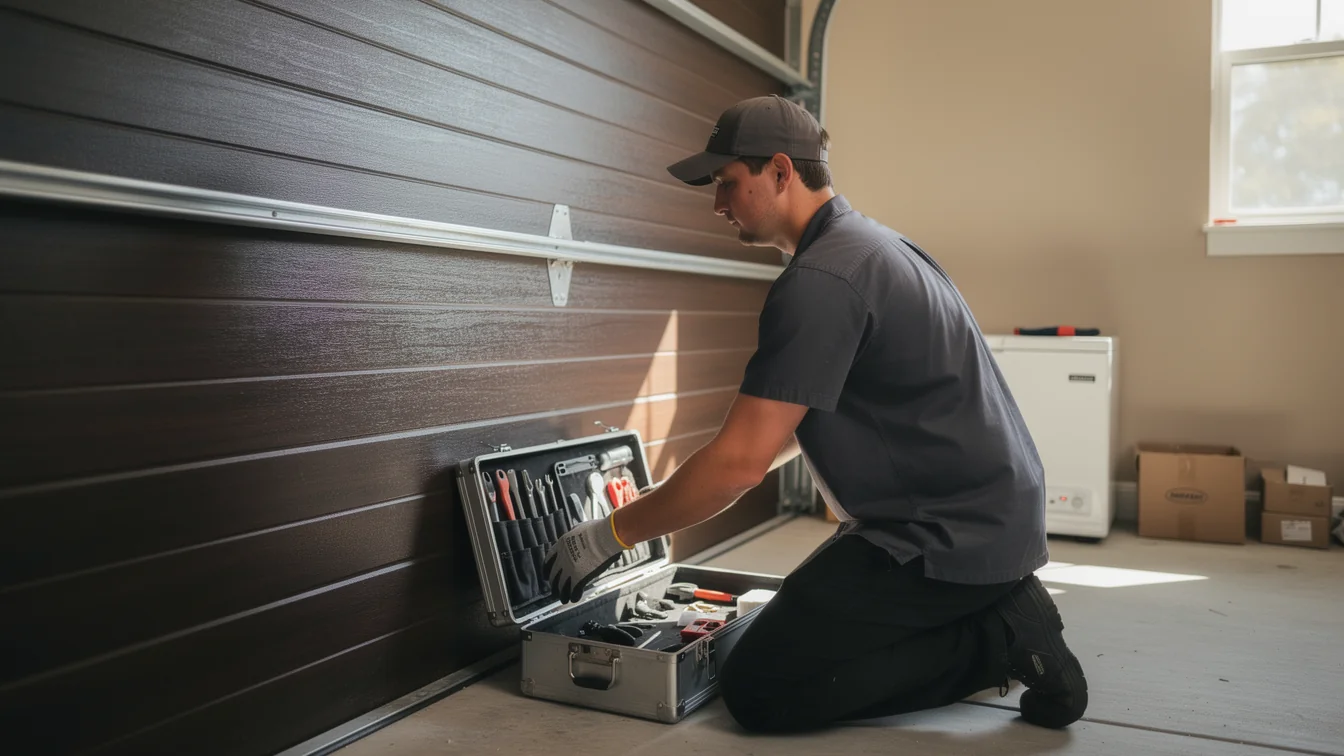
What a Service Call Actually Covers in Lebanon
A breakdown of what a real service call includes for Lebanon homes built 1959-1994, where original hardware and cold-season swings drive most repair calls.
Read guideReady when you are
Need a garage door sorted in Lebanon?
Lebanon Garage Door Pros repairs and installs garage doors, springs and openers in Lebanon, TN and the surrounding area.