
Blog
Lebanon's Housing Age and Cold Snaps Are Hard on Garage Door Springs
Most Lebanon, TN homes date from 1959 to 1994, and cold snaps hit older torsion springs hard. Here's what that housing age and climate mean for your door.
The Problem
Across Lebanon's six older neighborhoods, most houses went up between 1959 and 1994, with the median build year landing around 1977. That's not a trivial detail when it comes to garage doors. A house built in the mid-1970s has had close to fifty years of openers, springs, and tracks installed, replaced, or limping along on whatever was on the truck that day. A lot of that original torsion hardware is still in the garage, because torsion springs don't fail on a schedule - they fail on a cycle count, and nobody's counting.
The mix of ages across the service area means we see two very different jobs back to back: a 2015 opener with a worn sensor, and a spring from the Carter administration holding up a door that's never been serviced. Both look fine standing still. Neither tells you anything about how close it is to letting go. The age spread itself - 1959 to 1994 - is the reason a street-by-street guess about what's wrong with a given door is usually wrong.
What Local Conditions Do
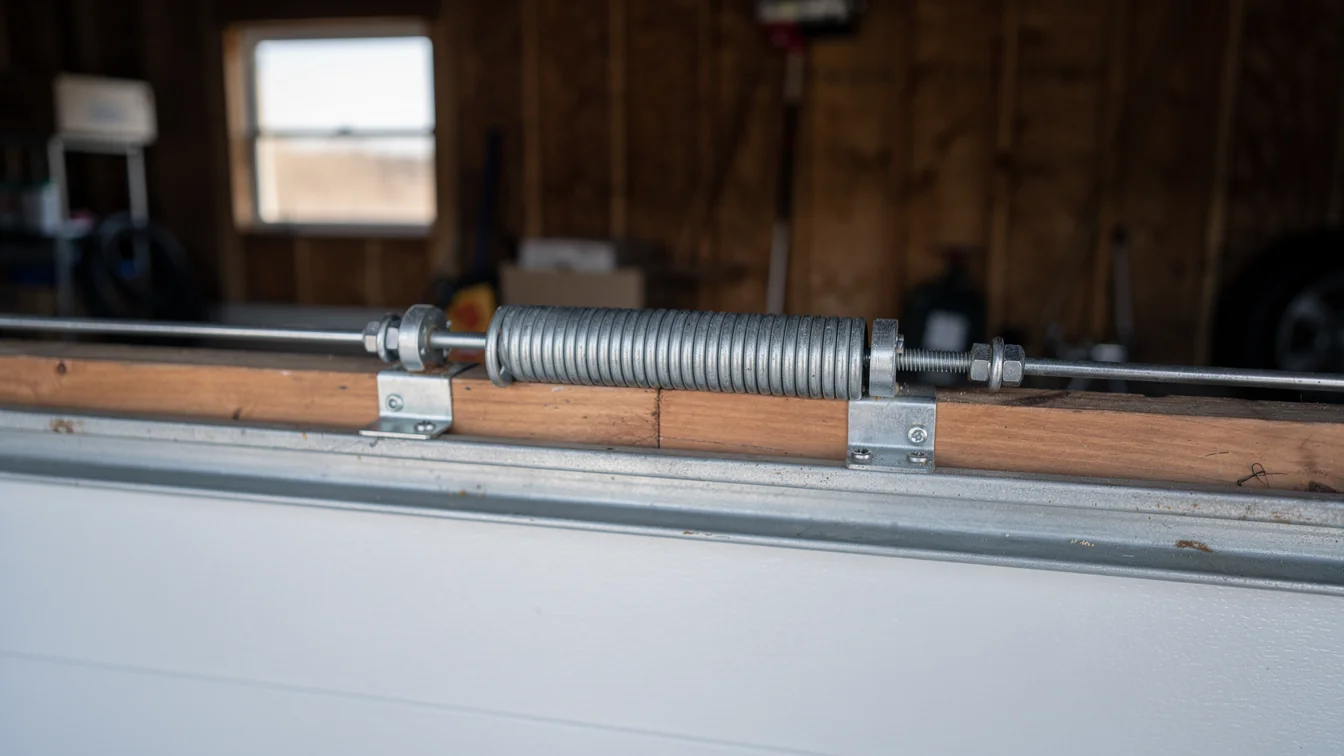
Lebanon sits in a cold moderate climate band. That doesn't mean brutal winters, but it means real cold snaps, and cold is hard on steel that's already tired. A torsion spring loses some tension every time the temperature drops - steel contracts, and a spring that was already fatigued from decades of cycling has less give left to lose. Grease and oil in an old opener chain or on track rollers thickens up too, which makes the opener's motor work harder to pull a door that's heavier to move than it was in July.
This matters more here than it would in a warm-climate town precisely because of the housing stock. A spring installed new in 1977 and never swapped has already lost a chunk of its working life to forty-plus years of temperature swings before this winter's cold even gets to it. The combination - old spring, cold morning - is when a cable that's been fraying quietly finally lets go, usually on the coldest day of the stretch, which is also the day you most need the door to open.
Leaving It Alone
Of the roughly 4,675 households across the service area, about 3,524 own the house they live in. That matters here because an owner-occupied door is one nobody's going to replace until it actually fails - there's no landlord cycling through units and swapping worn springs on a schedule. The spring just gets older.
A spring that's lost tension doesn't usually announce itself. The door gets a little heavier to lift by hand, the opener strains a little more on a cold start, and most people adjust without noticing they've adjusted. Then one morning in a hard cold spell, the spring that's been carrying less and less load finally lets go under full weight, and now you've got a door that won't open at all - or worse, one that drops because a frayed cable went with it.
Median household income here runs $87,853, which is enough that most owners could replace an aging spring before it fails rather than after. The ones who wait usually aren't choosing to - they just didn't know the spring was that old.
When It Stops Being a DIY Job
A torsion spring is wound under enough tension to break bones if it lets go while you're working on it, and that's true whether the house is from 1962 or last year. We're not going to talk you through adjusting one yourself, and honestly, if you're reading an article to figure out how, that's the sign to call instead.
There's a real limitation worth saying plainly: if your door is original to a 1960s or '70s build and the spring is an odd length or wind that nobody stocks on the truck, we may need to special-order the part rather than fix it the same visit. That's not common, but it happens with older stock, and we'd rather tell you that upfront than promise same-day on something we can't guarantee.
What does mean a call, not a YouTube video: a door that's suddenly much heavier, a loud bang followed by the door not moving, a visible gap or kink in one of the torsion springs, or a cable with frayed strands near the drum. Any one of those on a cold morning is a sign the spring was already near the end before the weather made it worse.
Questions
Common questions
Why does my garage door feel harder to open in cold weather?
Steel loses a little tension as it gets cold, and if your torsion spring is already decades old - common in this area given the 1959-1994 housing stock - it has less reserve capacity to begin with. Cold just exposes wear that was already there. Lubricant thickening on track rollers and chain drives adds to the drag on an opener.
How old is too old for a garage door spring?
There's no fixed age limit - it's about cycle count, not calendar years. But if your house was built in the 1960s or '70s and the spring has never been replaced, you're well past the point where a cold-weather failure should be a surprise. Worth having it looked at before winter, not after a cable snaps.
Do you carry parts for older doors on the truck?
Usually, yes, but not always. Some original torsion springs from older builds are an odd length or wind that isn't common stock, and those sometimes need to be special-ordered rather than swapped the same day. We'll tell you upfront if that's the case rather than guess.
Is a broken spring something I can fix myself?
No. A wound torsion spring holds enough stored tension to cause serious injury if it releases while you're working on it. This isn't a town-specific warning - it's true of any torsion spring, old or new - and it's the one job on a garage door we'd tell anyone to leave alone.
Recommendation
You Might Also Like
More garage door guides for Lebanon homeowners.
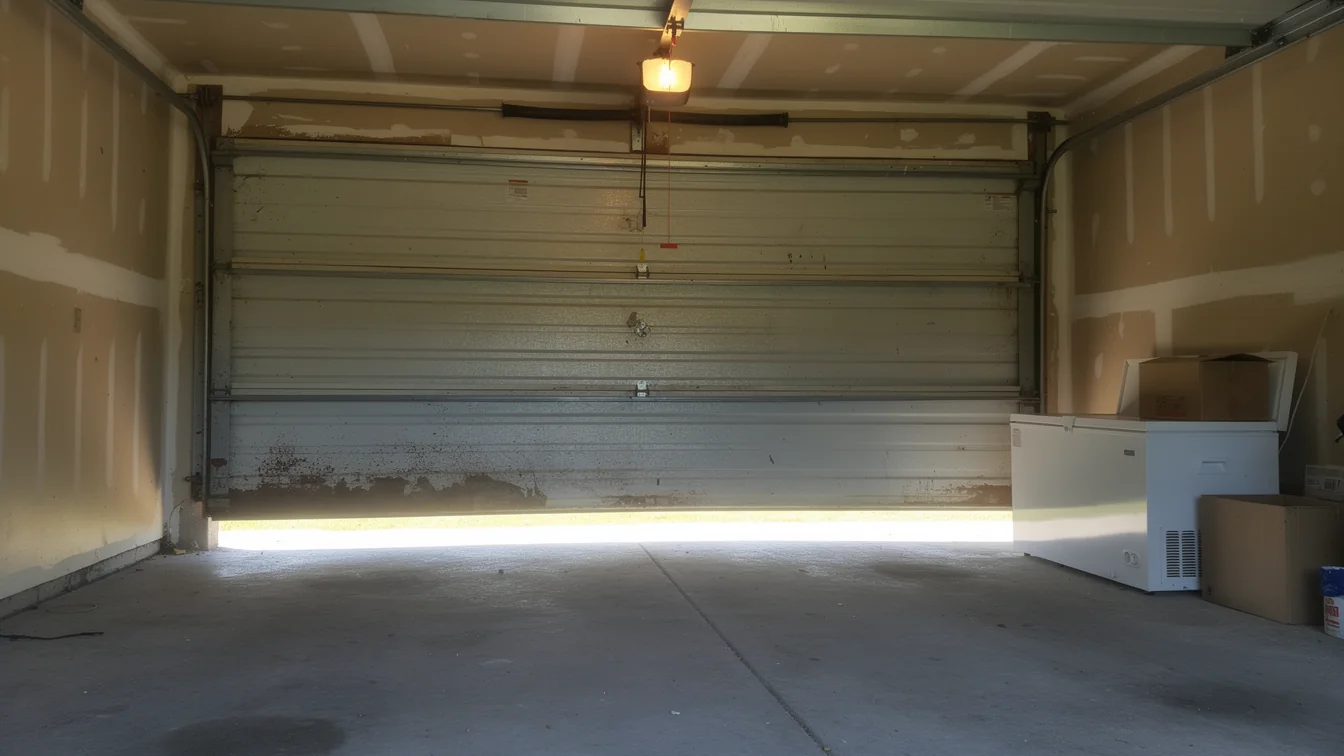
What Lebanon's 1960s and 70s Housing Stock Means for Your Garage Door
Lebanon TN homes built between 1959 and 1994 often have garage doors with no insulation standard.
Read guide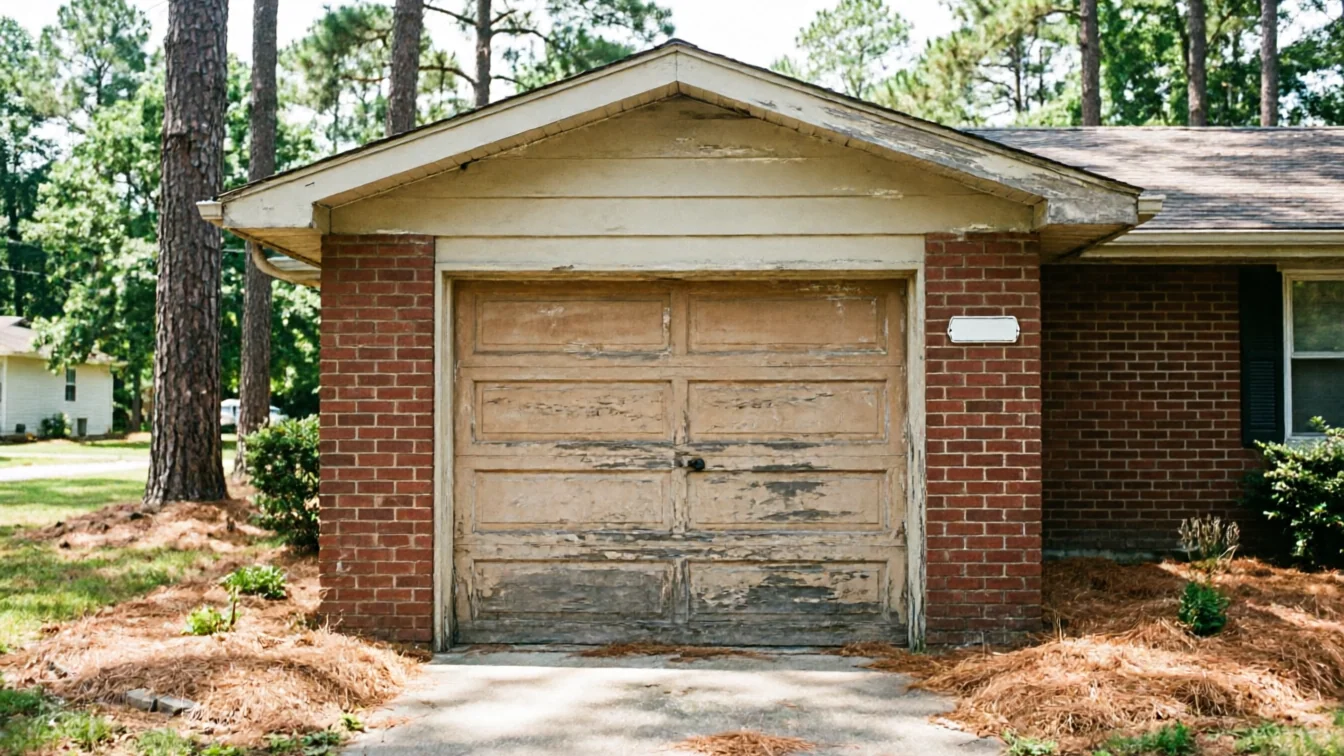
What Lebanon's Housing Stock Means for Your Garage Door
Most Lebanon garage doors date to the 1960s-90s building boom.
Read guide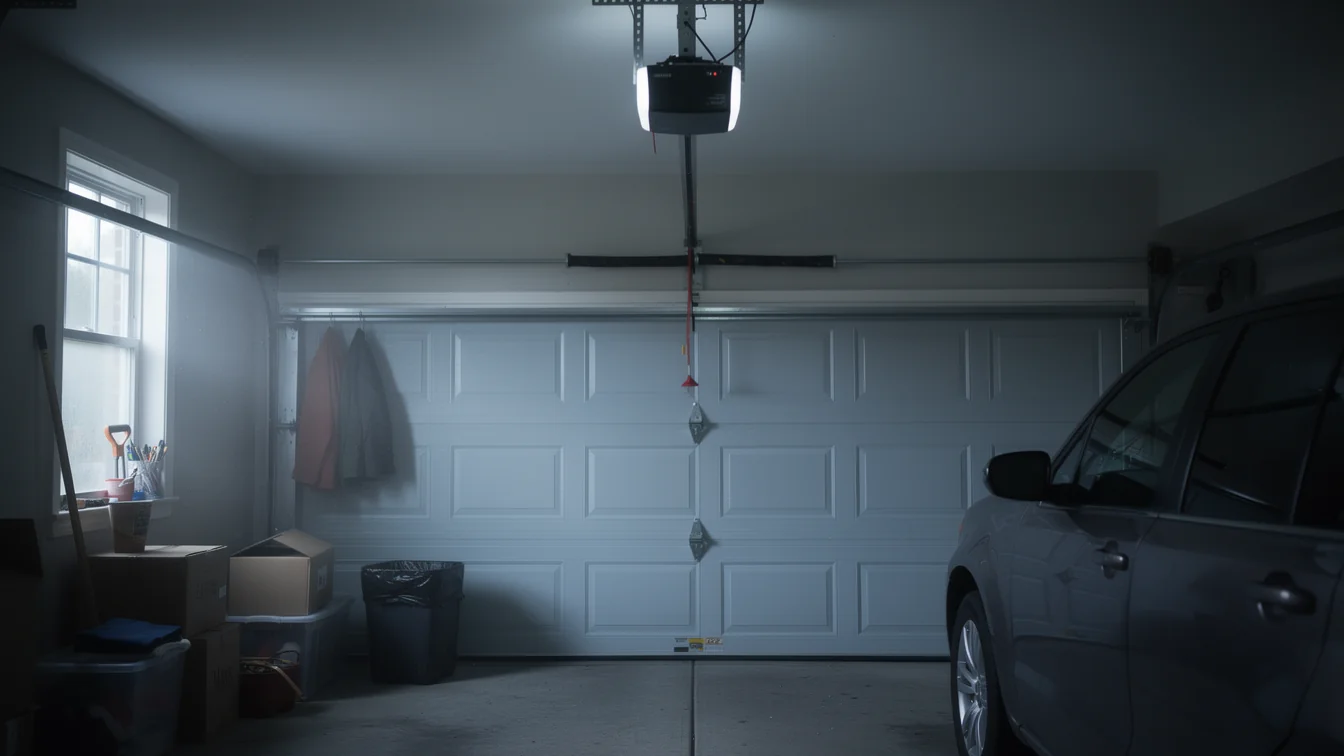
What Lebanon's Older Openers Do When the Power Goes Out
Lebanon, TN homes built between 1959 and 1994 pair older openers with cold-season power cuts.
Read guideReady when you are
Need a garage door sorted in Lebanon?
Lebanon Garage Door Pros repairs and installs garage doors, springs and openers in Lebanon, TN and the surrounding area.