
Green Hill, Lebanon
Panel Replacement for Green Hill's 1970s-Era Garage Doors
Green Hill homes built mostly in the late 1970s carry steel panels prone to rust-through at the seams. We match or replace panels, traveling from Lebanon.
What the Fix Involves
The fault we see most in Green Hill isn't a dented panel from a backed-up car - it's rust working through the bottom seams of steel panels from the inside out.
Rust along panel seams
Cold, damp winters sit water against the panel's lower lip, and once the galvanized coating breaks down, rust spreads along the seam faster than most owners notice until the panel flexes or the section won't seal flat anymore. That pattern tracks with the housing stock here.
Original steel gauge wear
Most Green Hill garage doors date to right around 1978, the median year for homes in this part of the service area, which puts the original door - if it's still the original - at a point where steel gauges were thinner and foam-core insulation wasn't standard.
Replacing one or two sections
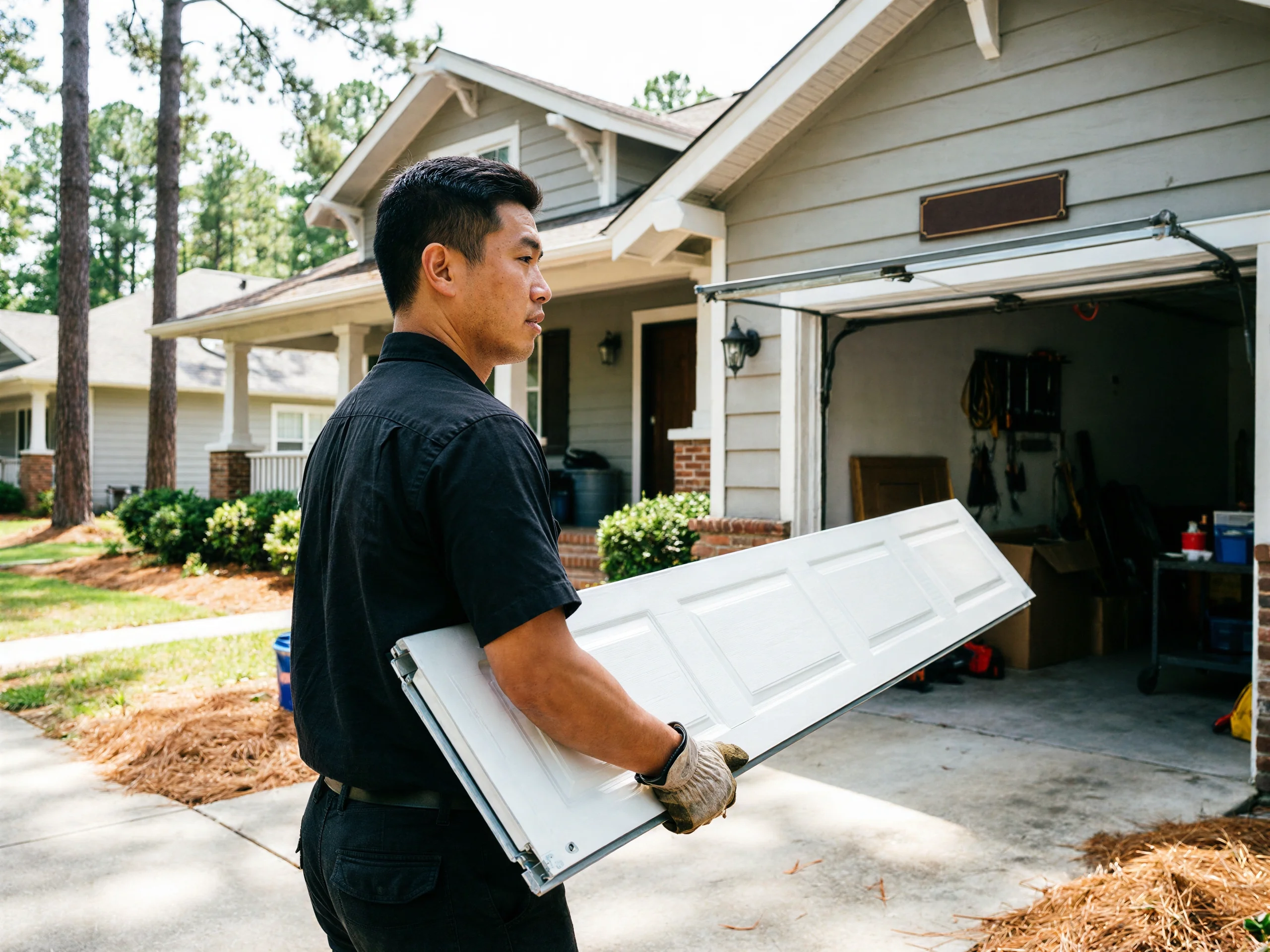
A panel swap on a door this age usually means replacing one or two sections, not the whole run, as long as the track and springs are still sound. We pull the damaged section, match the panel profile and color as close as the manufacturer's archive allows, and reinstall without disturbing hardware that's working fine.
Doing It Yourself
A single cracked or dented panel on a sectional door is one of the more doable DIY jobs in this trade, if the door is a common width and the panel is still sold new. Unbolting the hinges, sliding the section out, and bolting in a replacement doesn't require spring work in most cases.
Where it stops being a weekend job: doors built in the late 1970s and early 1980s often used panel profiles and fastening patterns that newer sections don't match exactly. You can end up with a panel that bolts on but doesn't sit flush, which strains the rollers on either side. If your door predates 1990 or so, it's worth having someone confirm the panel is still in production before you order one - ordering the wrong profile twice costs more than the labor would have.
Stocked Parts
We carry common steel panel sections in the widths that show up most often on homes built through the 1960s and 70s across this area, since that's the bulk of what we're called out for.
Embossed panels not stocked
Standard colors and flush or short-raised-panel profiles are usually available off the truck or within a short order window. What we don't stock: embossed wood-grain panels in discontinued colors, and anything from a door manufacturer that's since changed its panel tooling.
Closest catalog match
On a door built in 1978, there's a real chance the exact profile isn't made anymore - in that case we're matching as closely as the current catalog allows, not promising an invisible repair.
Where This Job Goes Sideways
The job gets harder when rust that started at one panel's seam has already spread to the track mounting points or the bottom bracket. At that point a panel swap won't hold long, because the section is bolting into metal that's compromised, not just cosmetically rusted.
It also goes sideways when a homeowner wants to replace one panel on a door where two or three sections show the same rust pattern - which is common on doors from the late 1970s that have all aged the same way in the same climate. Replacing one section on a door where the rest are close behind means you're back out here again within a year or two. Past a certain point, full door replacement costs less than chasing panels one at a time.
How It Shows Up
Owners usually call it in as a dent from a mirror or a trash can, but when we get there the damage is often secondary to rust that already had a foothold. The tell is a seam that looks bowed or slightly separated along the bottom edge, not just dented - that's the steel failing from corrosion, not impact.
On the steel sectional doors common to homes built around 1978 in Green Hill, the lower two panels take the brunt of it, since they're closest to ground moisture and road splash. If you're seeing rust bubbling under the paint on the bottom panel only, that's usually isolated. If it's on the second panel too, the door's telling you it's past spot repair.
Questions
Common questions
Can you match the panel color on an older door?
We'll match as closely as current manufacturer colors and textures allow. On a door built around the late 1970s, the original finish may be discontinued, so an exact match isn't guaranteed - we'll tell you upfront if it's going to be a close match rather than identical.
Is panel replacement cheaper than a new door?
For one or two damaged sections on an otherwise sound door, yes. Once rust or damage has spread to three or more panels, or into the track hardware, a full door usually costs less than replacing panels piecemeal and holds up longer.
Do you travel to Green Hill for this?
Yes, we cover Green Hill from our Lebanon base, about 13 miles out. There's no local branch here, so we schedule the trip rather than offering a walk-in counter.
Explore more
More Services in Green Hill
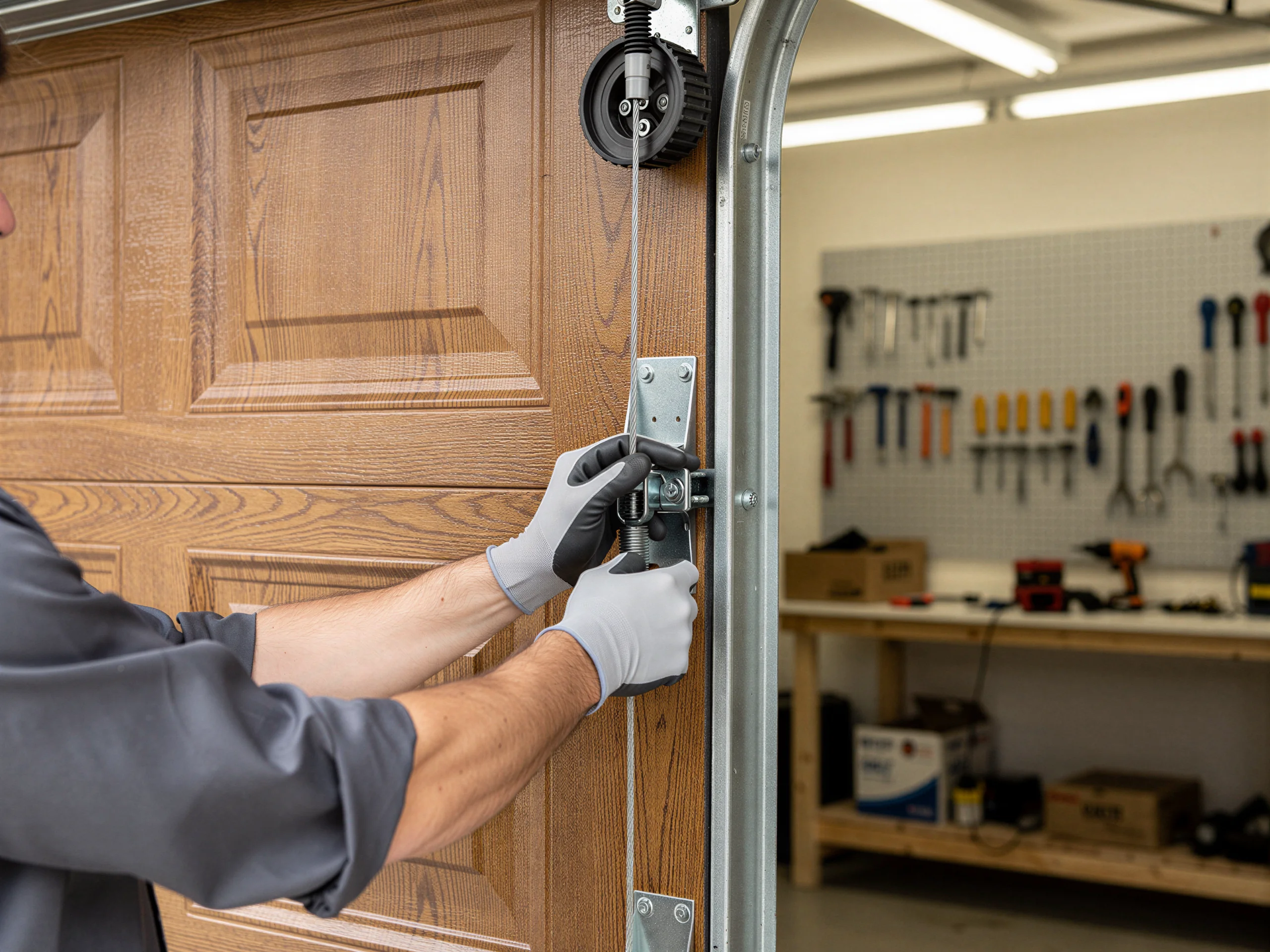
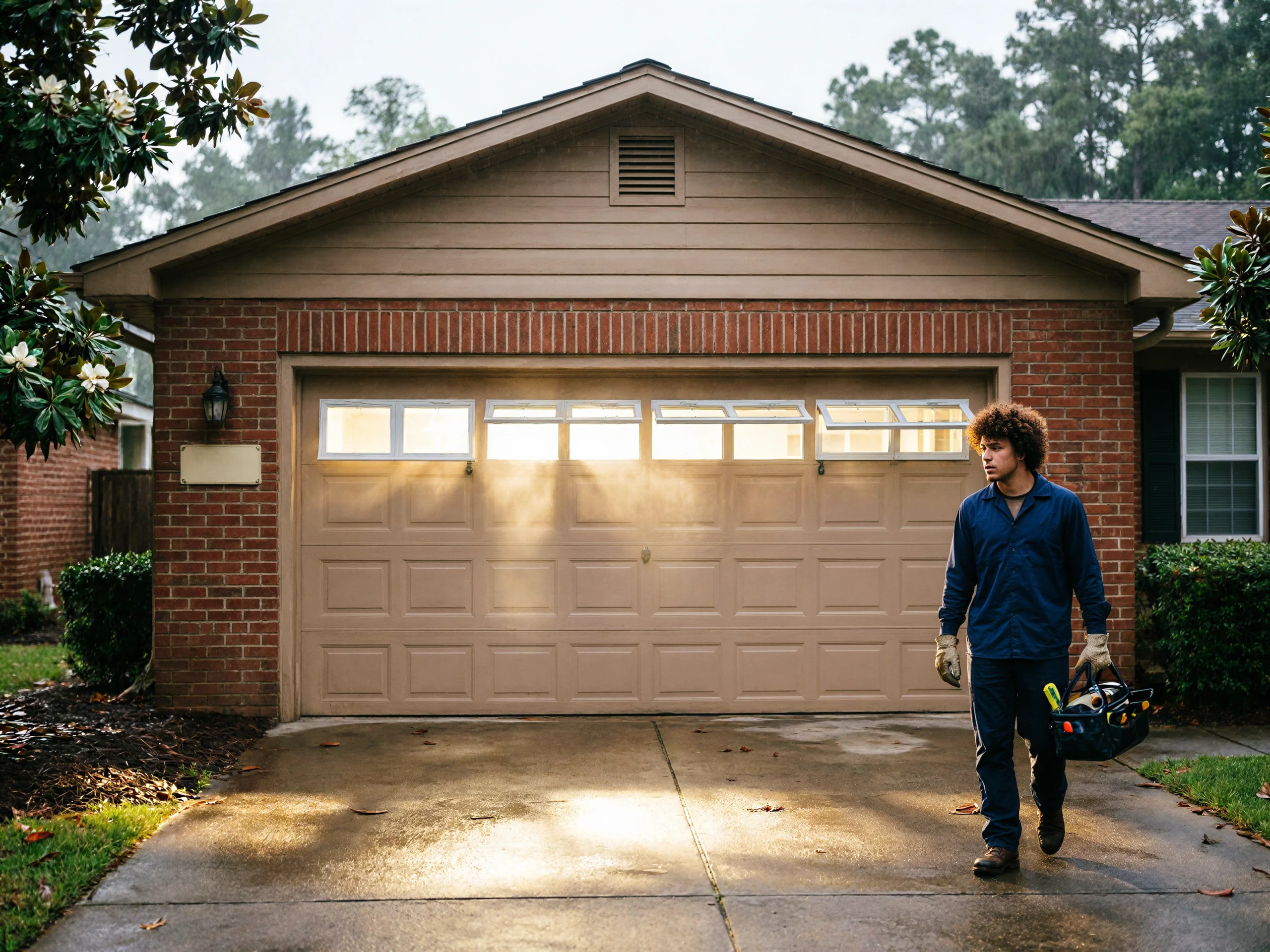
Emergency Garage Door
Emergency garage door repair for Green Hill, TN homes, most built around 1978. Learn more →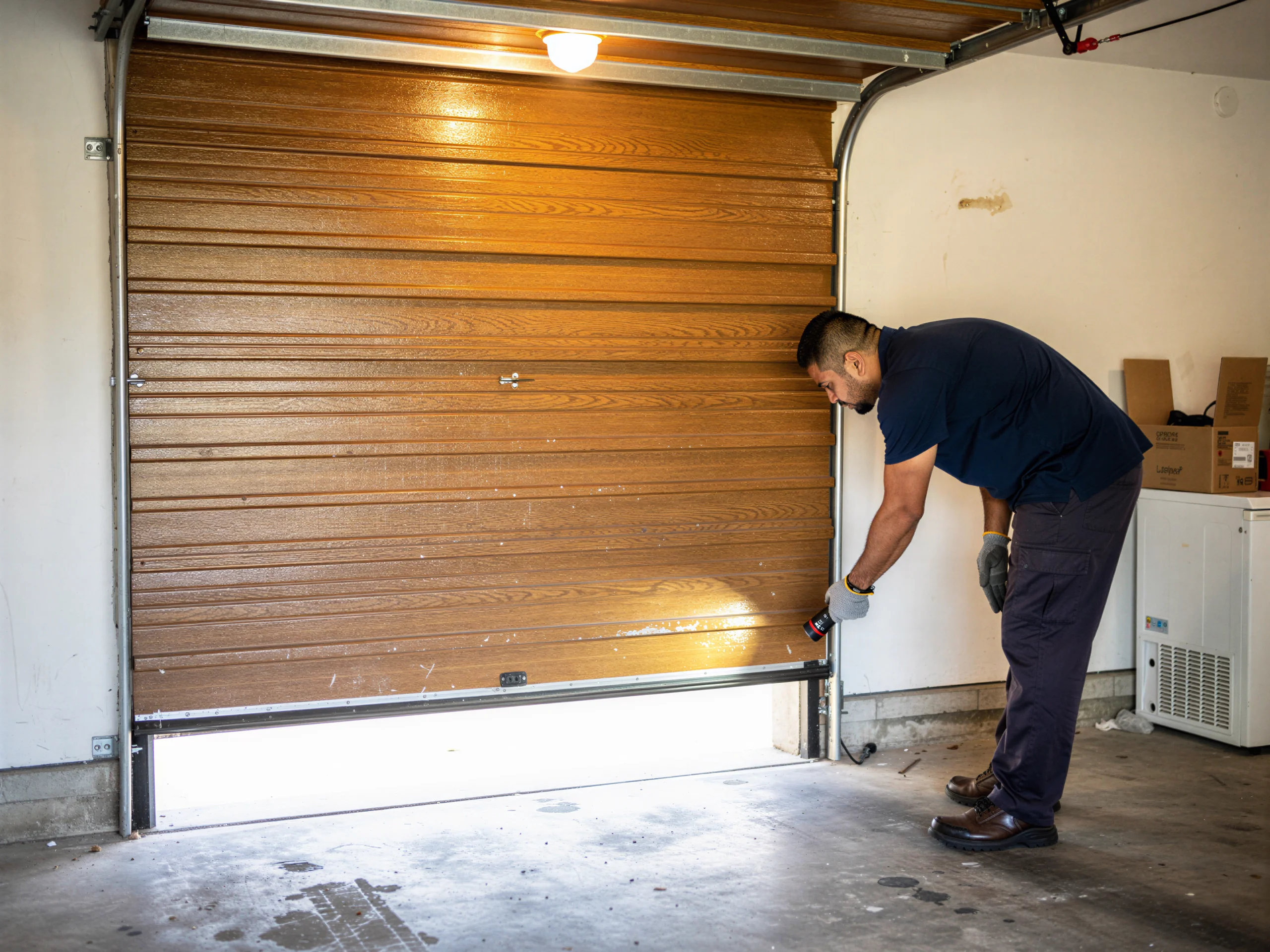
Garage Door Repair
Most Green Hill homes went up around 1978, which means original torsion hardware is still common. Learn more →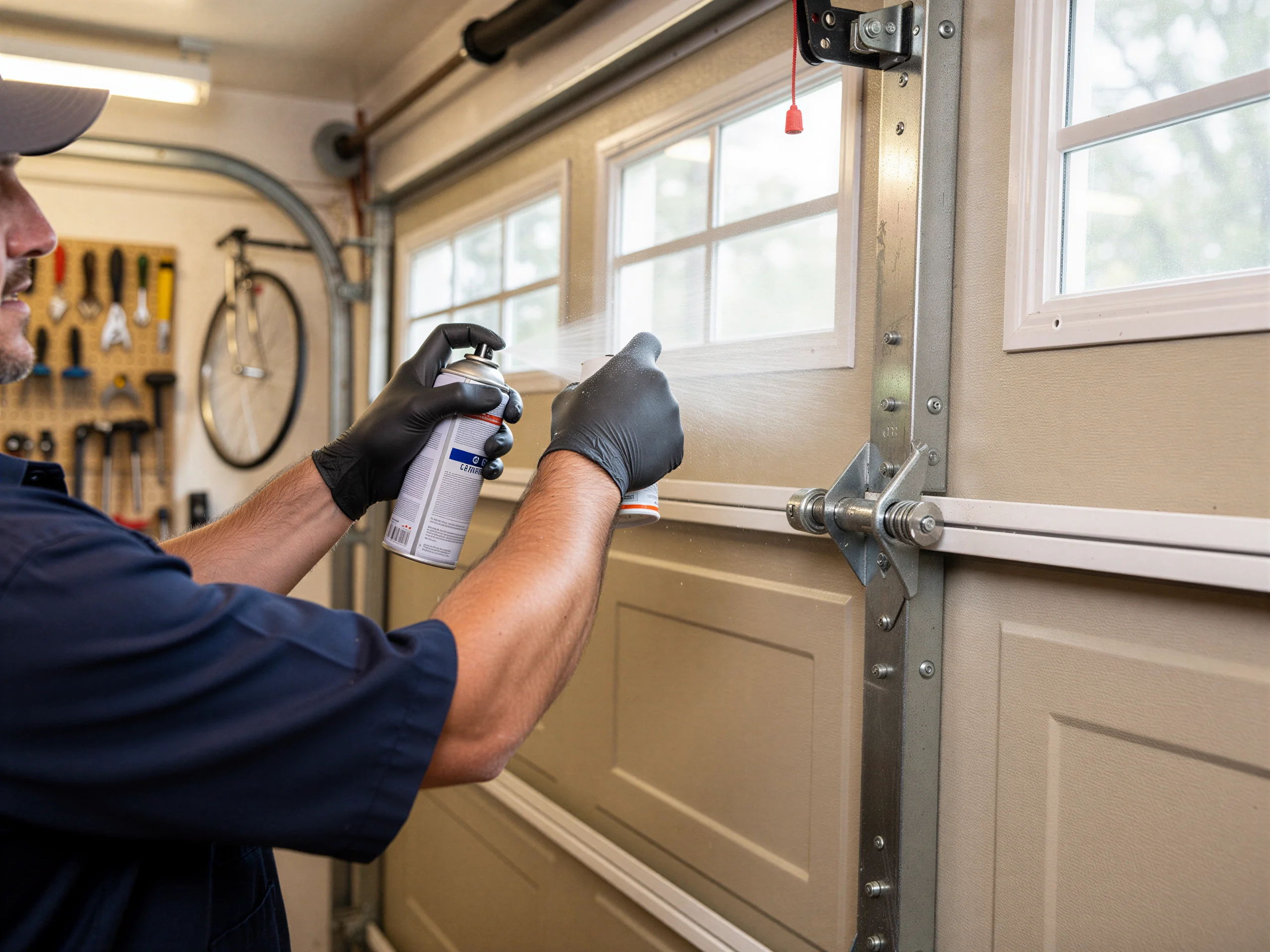
Garage Door Service
Garage door repair and service for Green Hill, TN homes built mostly in the late 1970s. Learn more →
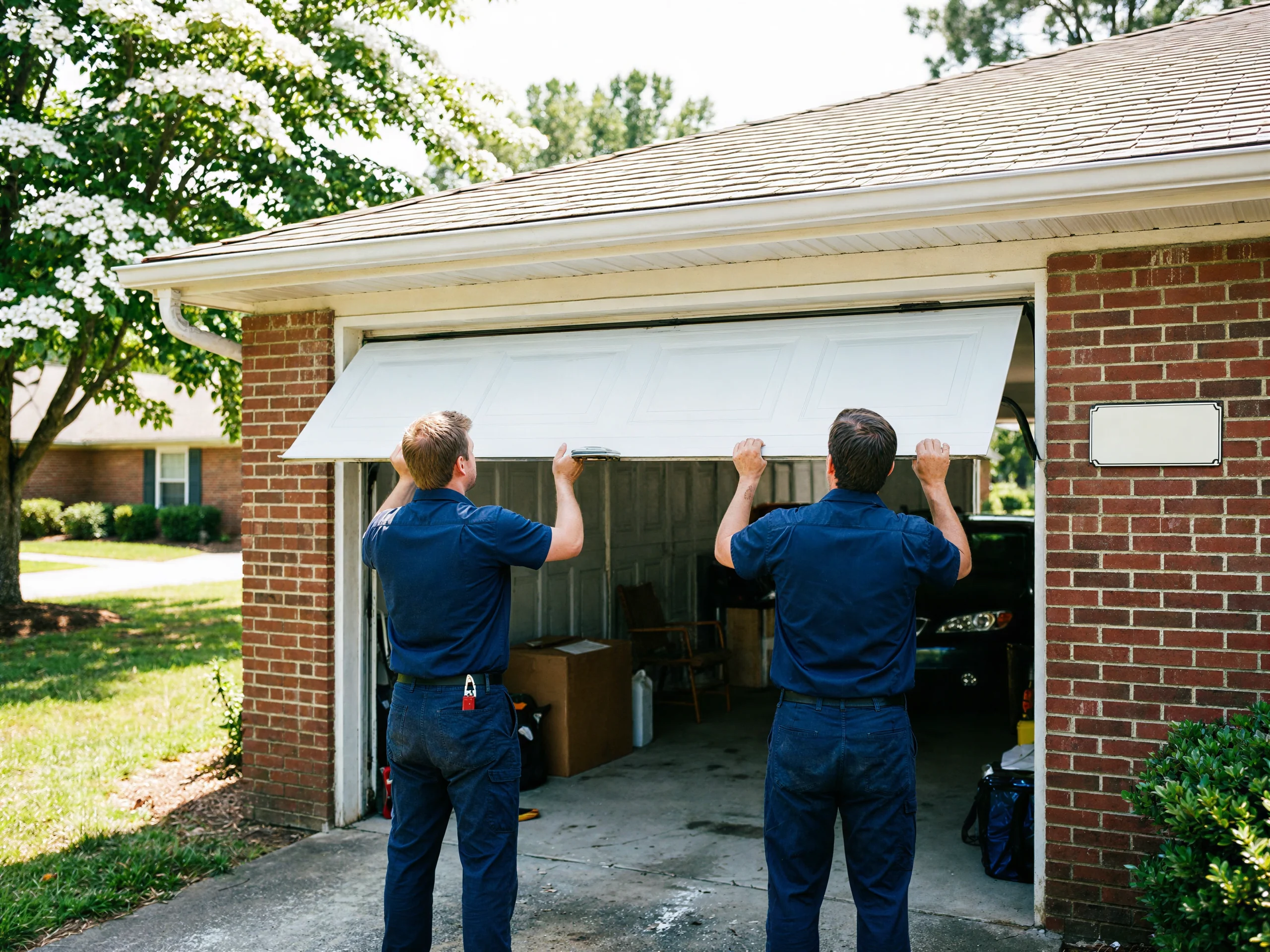
New Door Installation
New garage door installation in Green Hill, TN, near Lebanon, where most homes date to the late 1970s and need updated sizing, springs, and insulation. Learn more →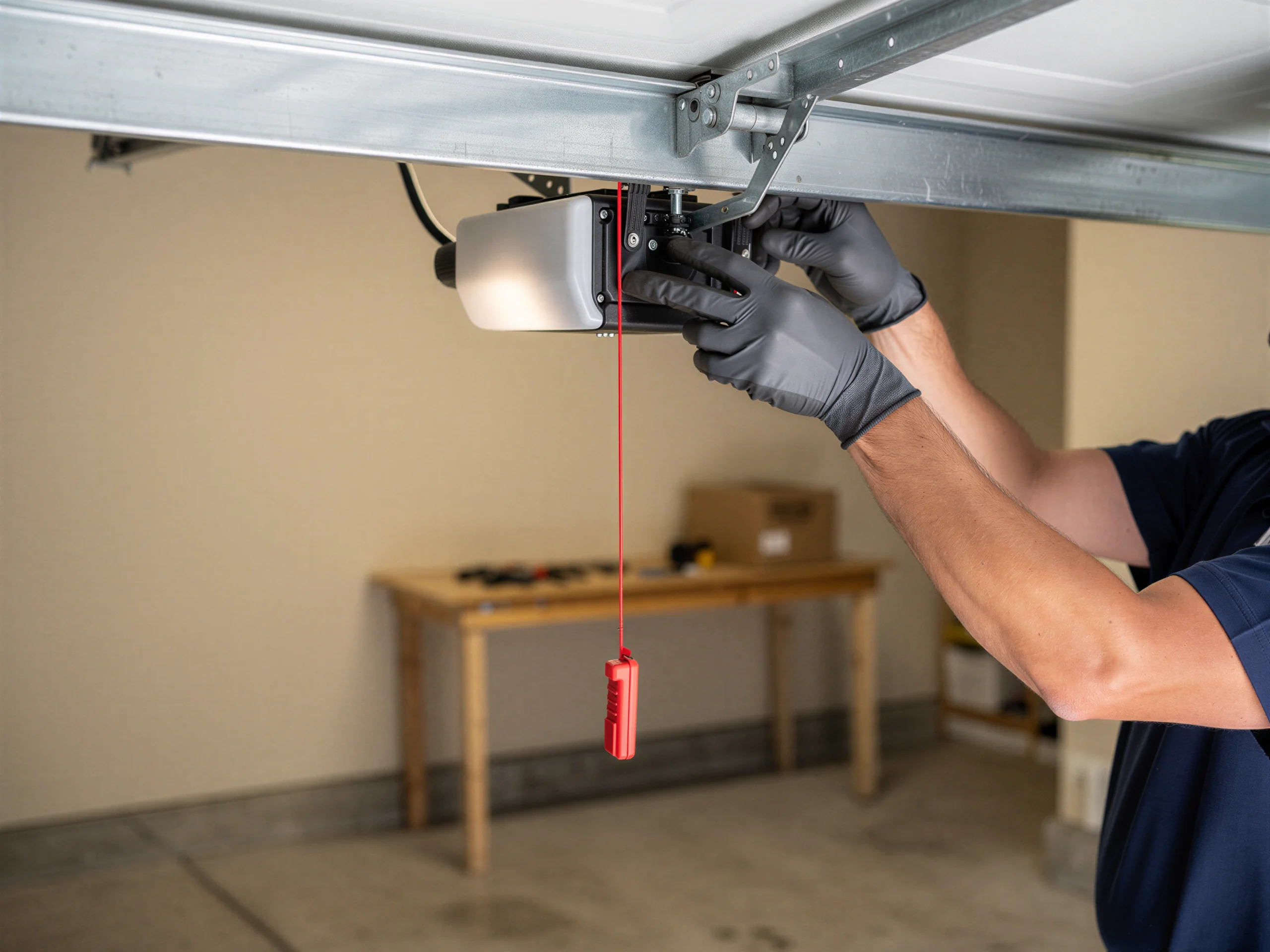
Opener Repair
Opener repair for Green Hill, TN homes built around 1978 - near-identical stock to Lebanon's own median year, serviced from our Lebanon trucks, 13 miles out. Learn more →Ready when you are
Need a garage door sorted in Lebanon?
Lebanon Garage Door Pros repairs and installs garage doors, springs and openers in Lebanon, TN and the surrounding area.