
Watertown, Lebanon
Garage Door Maintenance for Watertown's Older Hardware
Watertown sits 13 miles from our Lebanon shop, and its 1970s-era hardware needs a different maintenance check than newer doors. Here's how we handle it.
Why It Happens Here
Watertown is 13 miles out from our Lebanon shop, which changes how a maintenance call here actually gets scheduled - we route it as a planned visit rather than a same-day add-on, since the drive eats into the day differently than a job five minutes from the shop. That drive matters less than what's waiting at the house, though. Most of the doors we service in this area went up when the median home here was built, around 1977, which puts a lot of torsion hardware squarely in the 1960s-70s stock that's common across this part of the service area. That hardware wasn't built for forty-plus years of cycling. Springs lose tension gradually and nobody notices until the door starts sagging on one side. The cold-moderate climate band this region sits in adds another layer - steel cable and spring coils stiffen in winter, and old lubricant that's gone gummy doesn't flow back in the way fresh grease does. None of that is unique to any one house in Watertown, but it is common to houses of this age, and it's why a maintenance visit here looks for different wear patterns than one on a door built in the last decade.
How It Shows Up
On a door from this era, the first sign is usually sound before it's function - a scrape on the track, a thunk on each roller pass, a spring that creaks instead of moving quiet.
Steel roller track groove wear
Rollers on original hardware tend to be steel rather than nylon, so they wear the track groove unevenly over the decades, and that unevenness gets worse, not better, with cold. You'll also see uneven travel: one side of the door drops faster than the other when the spring on that side has lost more tension, which is common once hardware passes the lifespan window its materials were rated for.
Gradual heaviness from springs
Owners in homes built in the 1960s and 70s often tell us the door 'feels heavier' than it used to - that's not the door, it's the spring giving out gradually. Weatherstripping on these older doors also tends to be original or close to it, which means gaps at the bottom panel that let cold air and moisture in, accelerating rust on cable and hardware that's already decades old.
Slow drift over winters
None of this shows up overnight. It shows up as a slow drift from 'fine' to 'off' over a couple of winters, which is exactly why these doors benefit from a scheduled check rather than waiting for a failure call.
The Cost of This Job
We're not going to quote a number here that doesn't hold up once a tech is actually looking at the hardware, because cost on a maintenance visit for a door this age depends on what the inspection finds - whether it's lubrication and adjustment or whether a spring or cable needs replacing outright.
Sourcing 1970s track parts
What we can tell you is what drives the cost up on older doors specifically: parts for original 1970s-era track and roller setups aren't always a shelf item, and sourcing the right gauge spring for hardware that old sometimes takes longer than it would for a door installed in the last ten years.
Ordering parts instead of stocking
That's the honest limitation - if your hardware is original to a 1977-built house, we may need to order a part rather than carry it on the truck that day.
Predictable maintenance costs
We'd rather tell you that up front than promise a one-visit fix and come back empty-handed. Maintenance itself - lubrication, tension check, hardware tightening - is the cheaper, more predictable side of this job. It's the parts replacement on old hardware that varies.
Booking a Visit
Because Watertown runs about 13 miles from our Lebanon shop, we ask you to book your maintenance visit rather than expect a same-day walk-up - the truck comes from Lebanon, and we plan the route so your visit isn't squeezed between two others on opposite sides of the service area. That's not a complaint about the distance, just how we keep estimates on arrival time honest instead of guessing. If you're not sure whether your door needs a full maintenance visit or just an adjustment, mention the approximate age of your house when you call - a door original to a house from the 1960s or 70s gets a different checklist than a newer one, and knowing that ahead of time lets us bring the right parts stock. You can see the rest of what we cover for this area on our service area page, and if you're looking for the broader rundown of maintenance work we do out of the shop, that's covered on our Lebanon maintenance page.
What the Fix Involves
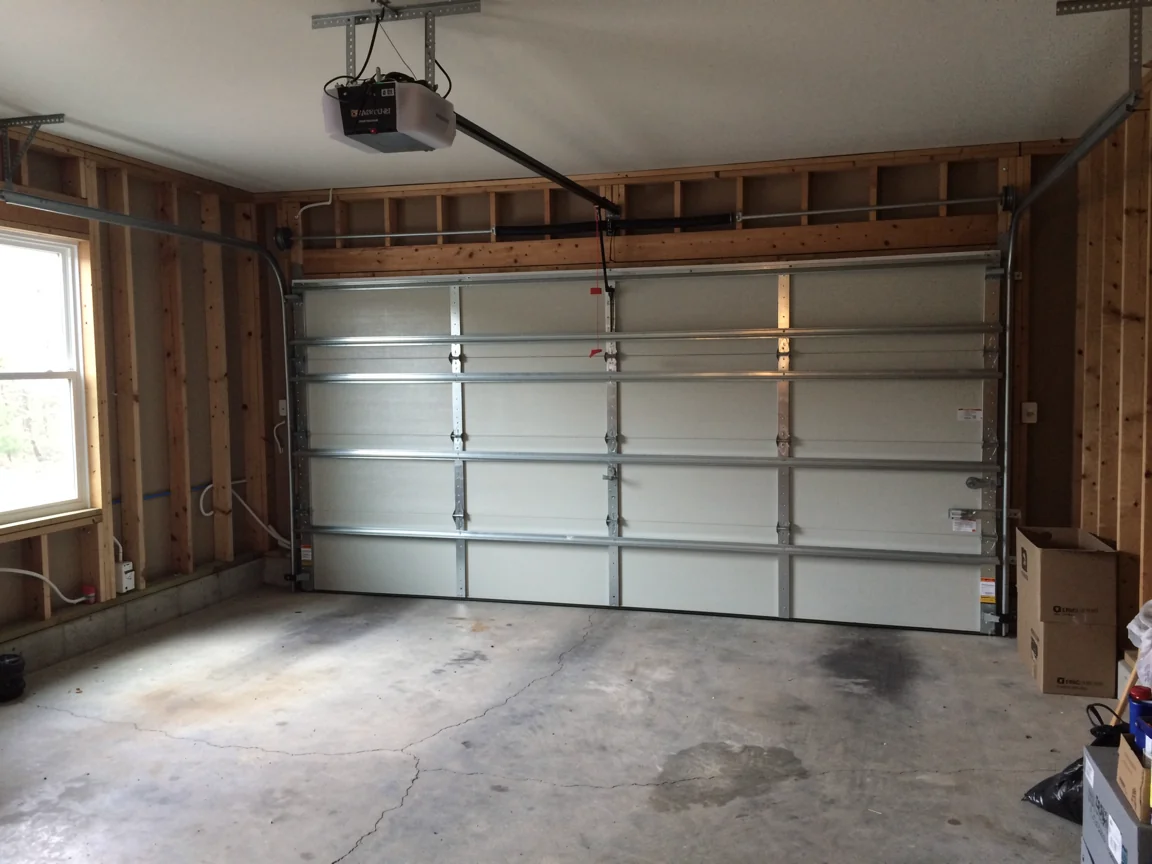
On a typical visit for a door of this era, we start with the spring - checking tension and winding against what the door's weight actually calls for, since original torsion springs stretch and lose rated tension well before they snap outright.
Groove wear beyond new rollers
From there it's the track: we check alignment and look for the groove wear that steel rollers leave over decades of use, and we'll flag it if the track's worn enough that new rollers won't ride true in it anymore. Cable condition gets a close look too, since a frayed strand on old galvanized cable is one of the few things on this job that we treat as urgent rather than routine.
Lubrication as the workhorse
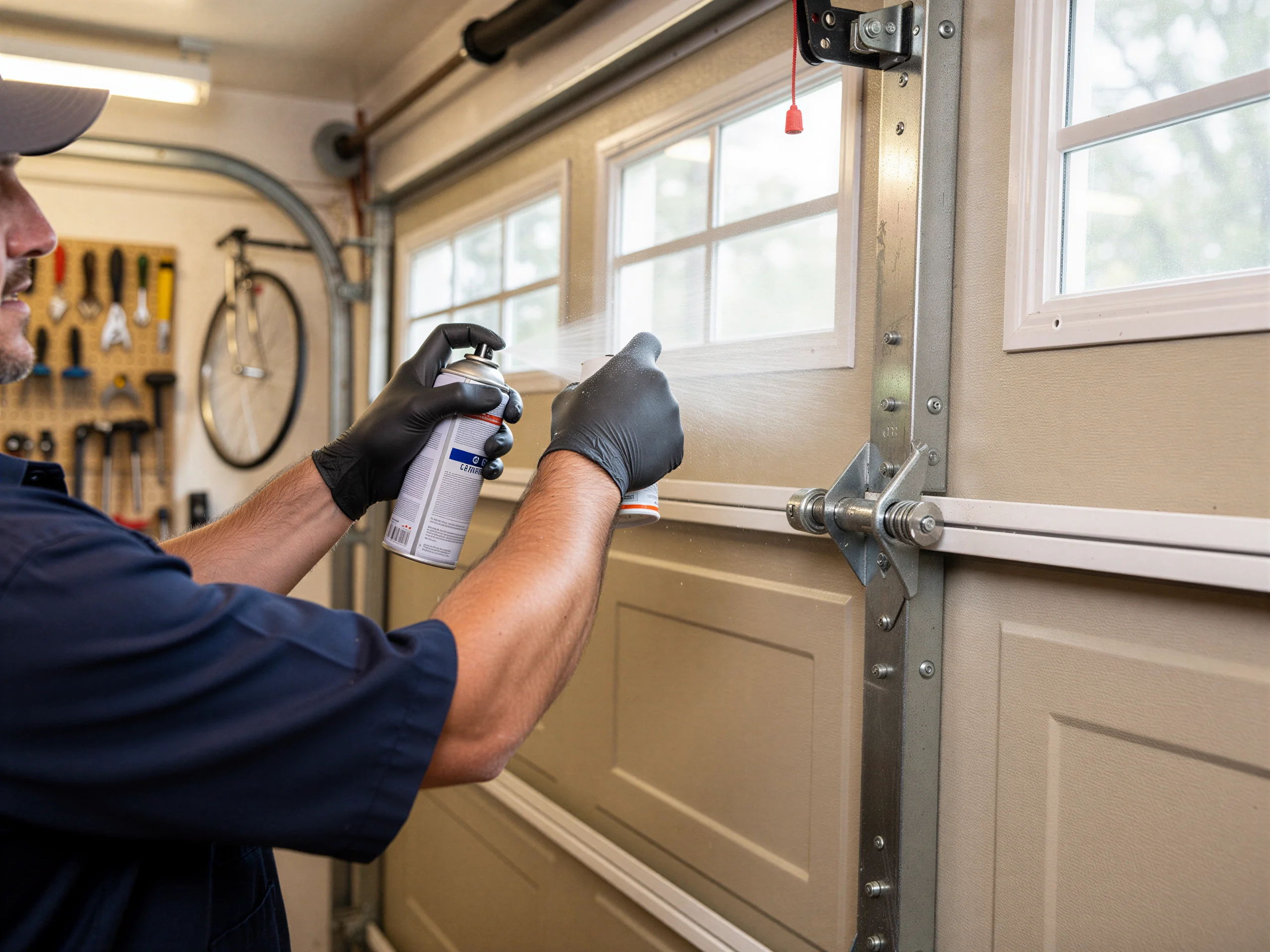
Lubrication is the quiet workhorse of the visit - old grease gets cleaned off hinges, rollers, and the torsion bar, and fresh lubricant goes on, which matters more in a cold-moderate climate where stiff, under-lubricated metal binds harder in January than it does in July.
Balance and force final check
We finish with a balance test and opener force check, because an opener straining against a bad spring wears out faster than it should, regardless of how new the opener itself is.
Questions
Common questions
How often should a garage door this old get serviced?
We don't have a blanket interval that fits every house, but doors with original hardware from the 1960s-70s benefit from more frequent checks than newer doors because the materials are past the lifespan they were built for. If you're hearing new noise or seeing uneven travel, that's worth a call regardless of when the last visit was.
Do you carry parts for older hardware on the truck?
Not always. Original 1970s-era track, roller, and spring sizes aren't always a shelf item, so a maintenance visit on an older door sometimes turns into an inspection followed by a parts order rather than a one-visit fix. We'll tell you on site if that's the case.
Why does scheduling take longer for Watertown than for Lebanon itself?
Watertown is about 13 miles from our shop, so visits here get planned into the route rather than slotted same-day. It's not a reflection of priority, just the reality of the drive - book ahead and we'll get you on the schedule.
Is it the cold making my door act up, or is it just old?
Often both. This area sits in a cold-moderate climate band, which stiffens steel cable and thickens old lubricant in winter. On hardware that's already decades old, that extra strain is often what pushes a marginal spring or roller into an actual failure.
Explore more
More Services in Watertown
Cable Repair
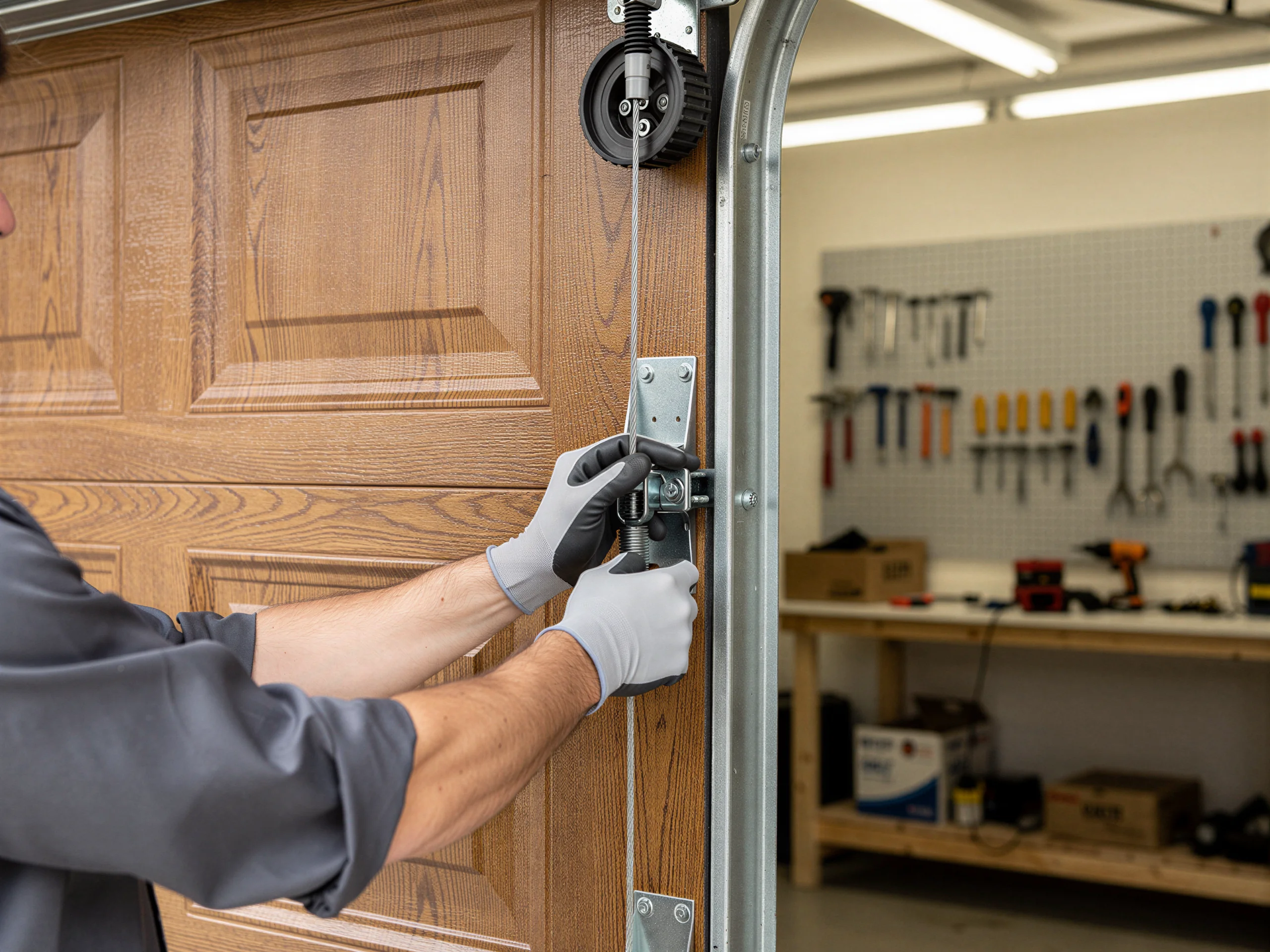
Watertown homes built around 1977 run galvanized lift cables on aging drums and extension springs. Learn more →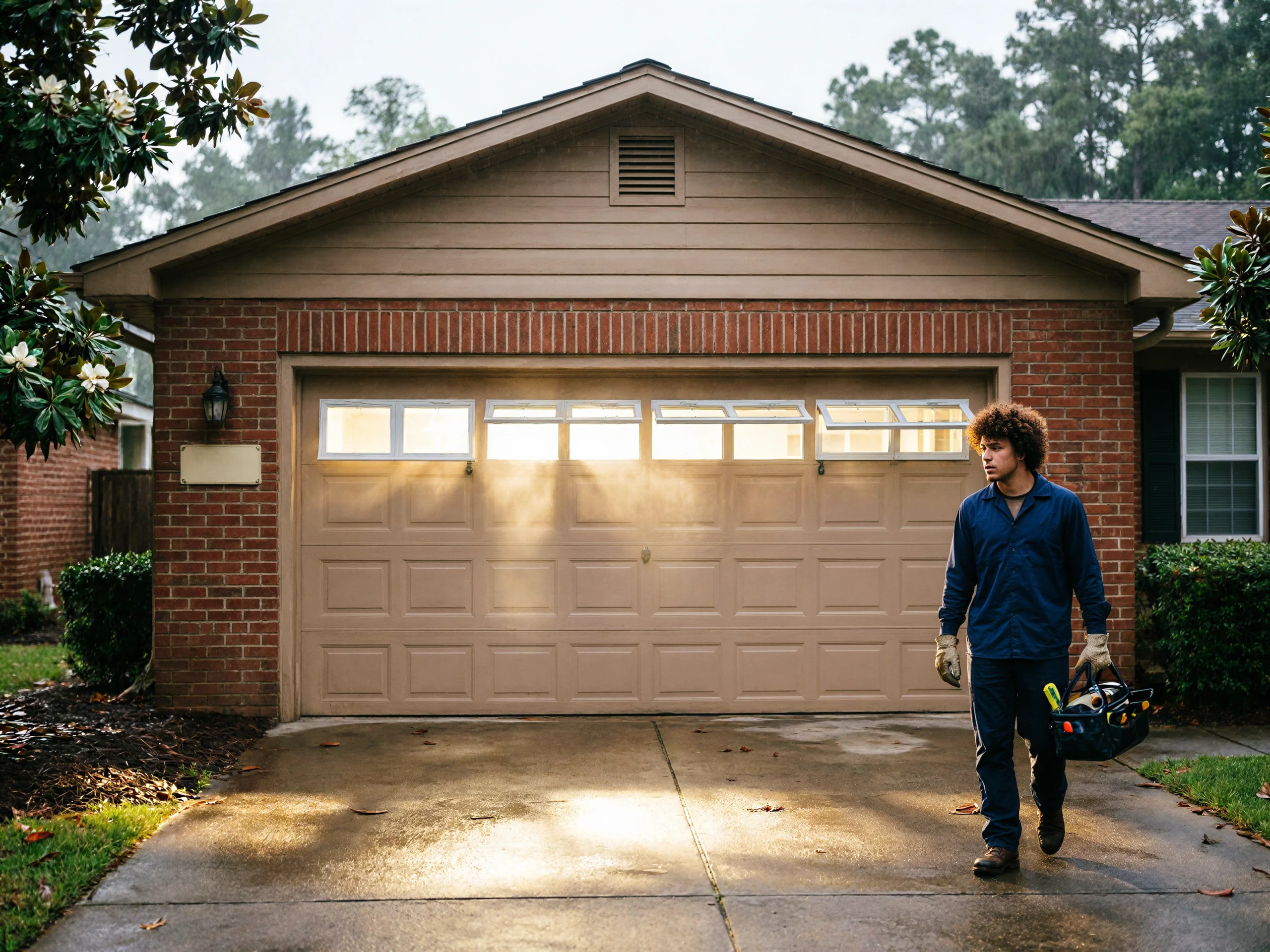
Emergency Garage Door
Watertown homes mostly went up in the 1960s-70s, around 1977 median. Learn more →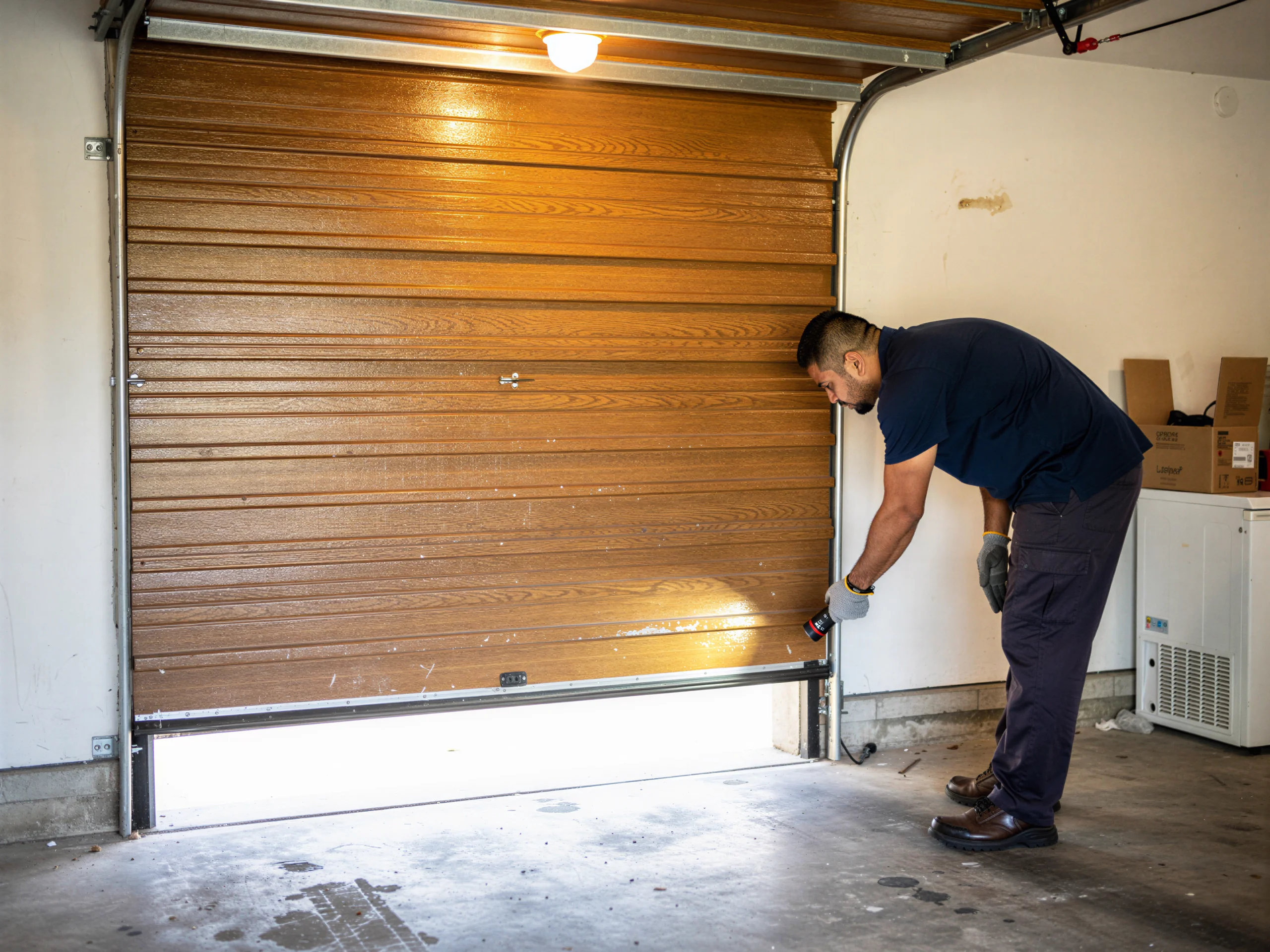
Garage Door Repair
Garage door repair for Watertown, TN homes built mostly in the 1960s-70s. Learn more →
Garage Door Service
Watertown's houses cluster around 1977, which means original torsion springs nearing the end of their rated life. Learn more →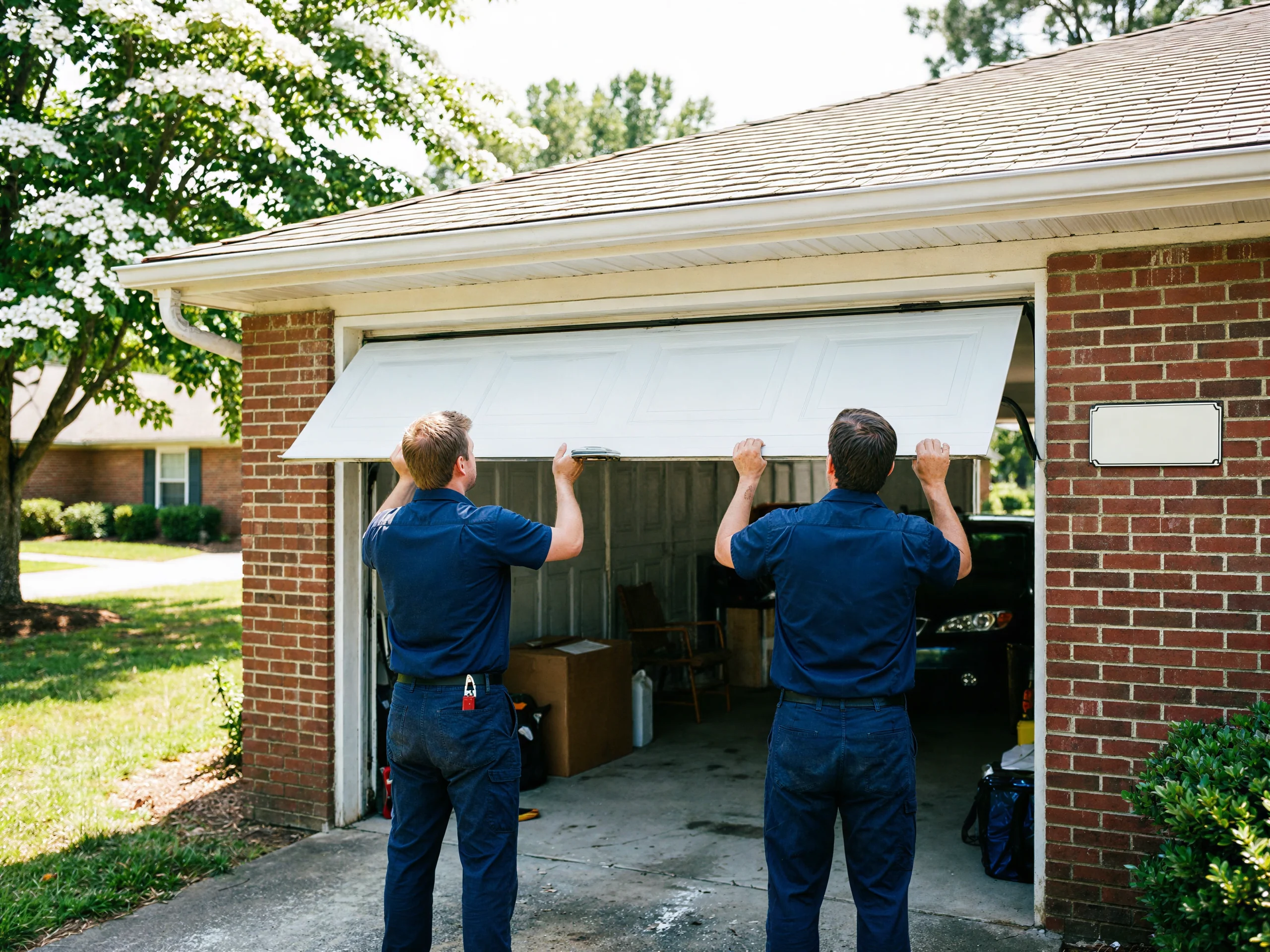
New Door Installation
Watertown homes built around 1977 still run original torsion hardware. Learn more →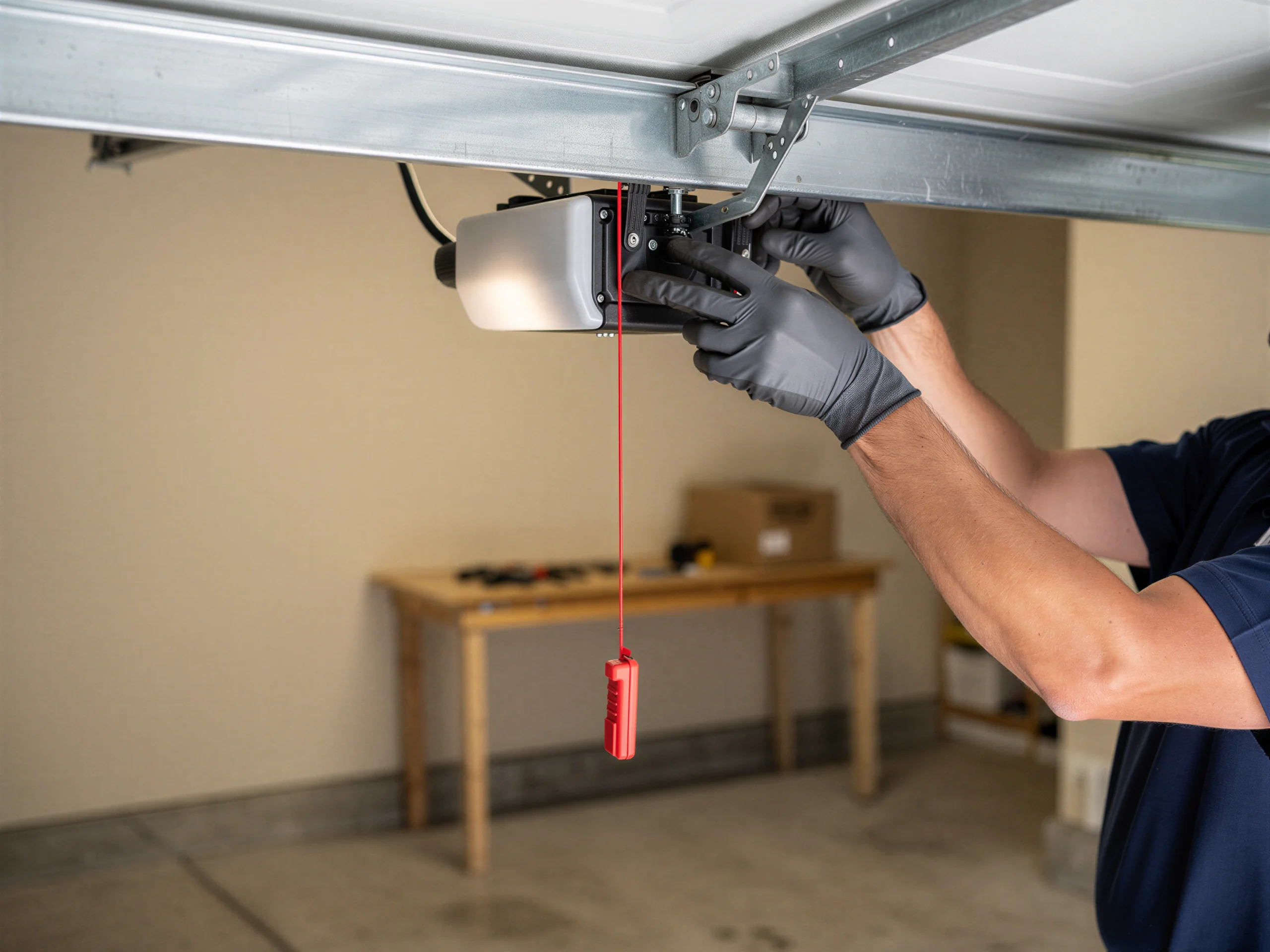
Panel Replacement
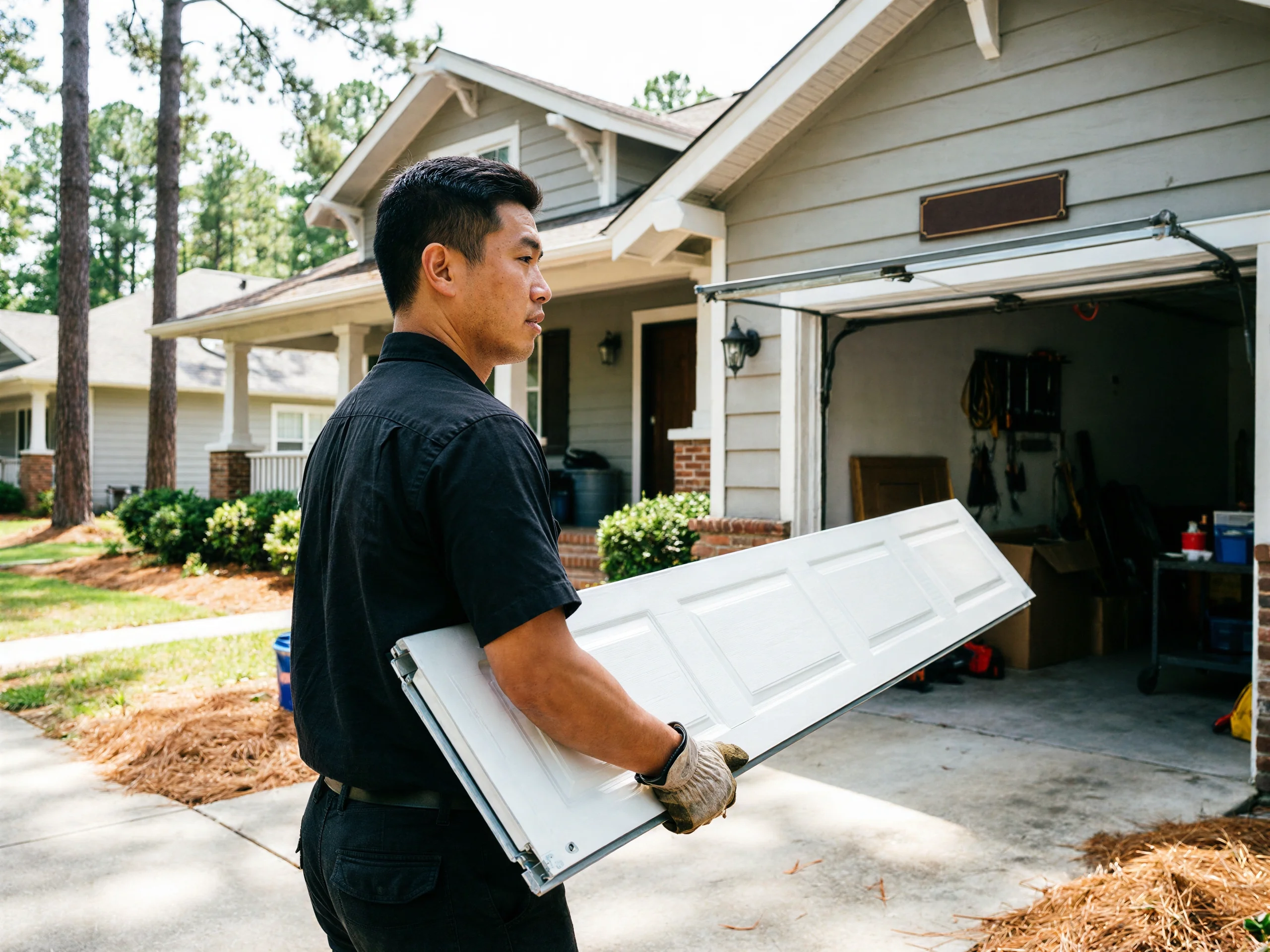
Watertown, TN homes built in the 1960s-70s need panel matches that old stock rarely carries. Learn more →Ready when you are
Need a garage door sorted in Lebanon?
Lebanon Garage Door Pros repairs and installs garage doors, springs and openers in Lebanon, TN and the surrounding area.